
Badminton Equipment

Comprehensive badminton equipment guide for schools, universities, sports clubs, recreation centers, and commercial sports facilities. Compare equipment categories, specifications, purchasing considerations, and facility planning resources.

Badminton Equipment Overview

Badminton equipment includes rackets, shuttlecocks, net systems, court posts, training equipment, scoreboards, storage solutions, and facility accessories. Selecting the right equipment depends on player level, facility type, frequency of use, maintenance requirements, and long-term purchasing goals.
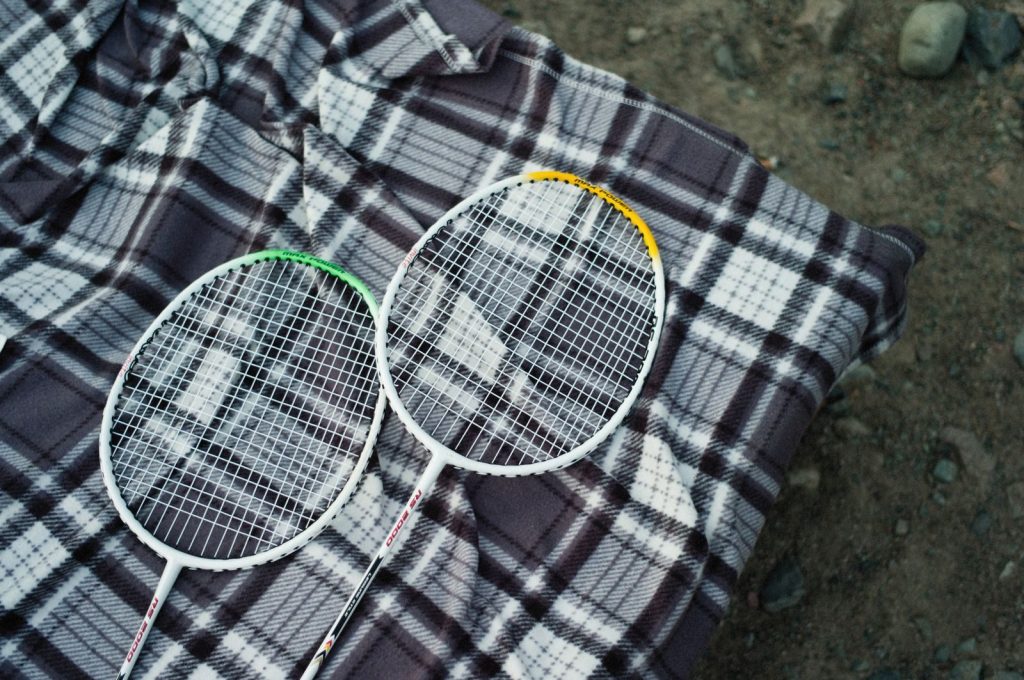
Two badminton rackets resting on a checkered picnic blanket outdoors, ideal for sports and leisure themes.
Badminton Rackets
Compare rackets based on weight, balance, shaft flexibility, and intended level of play.
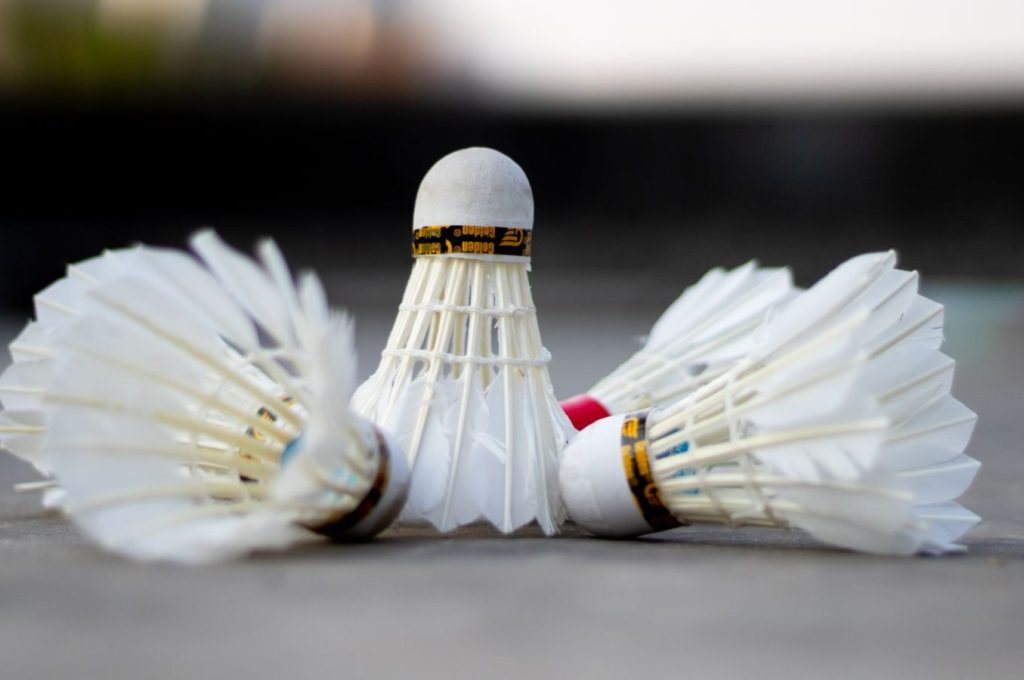
Detailed view of three badminton shuttlecocks laying on a court surface.
Shuttlecocks
Choose between feather and nylon shuttlecocks according to training or competition requirements.
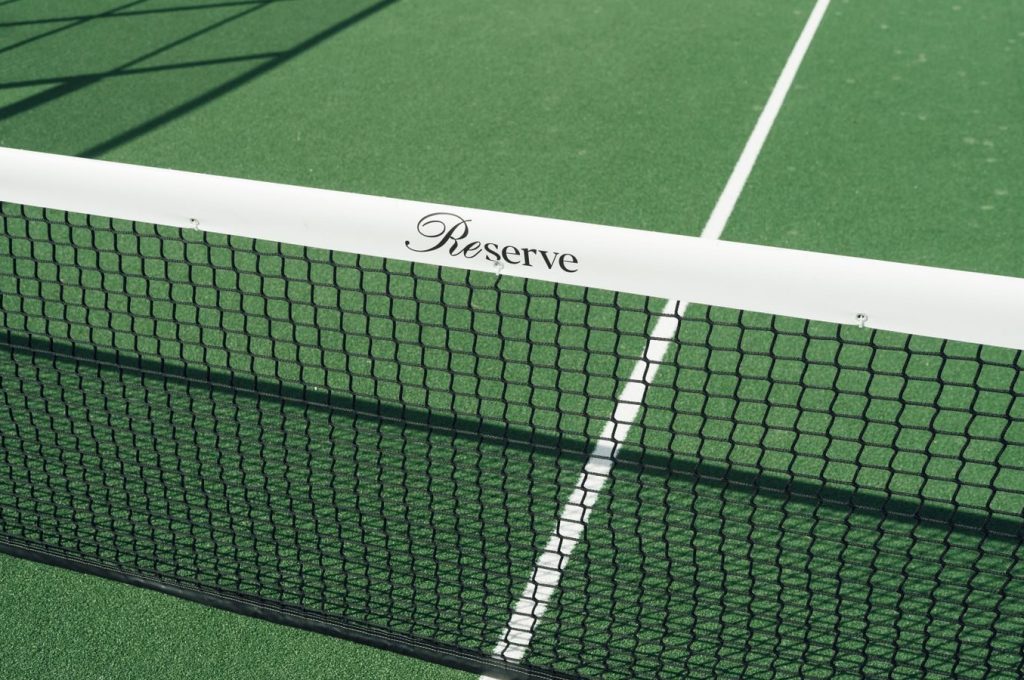
Close-up of a tennis court net displaying 'Reserve' text. Bright green surface.
Net Systems
Select portable or permanent badminton net systems for different facility applications.
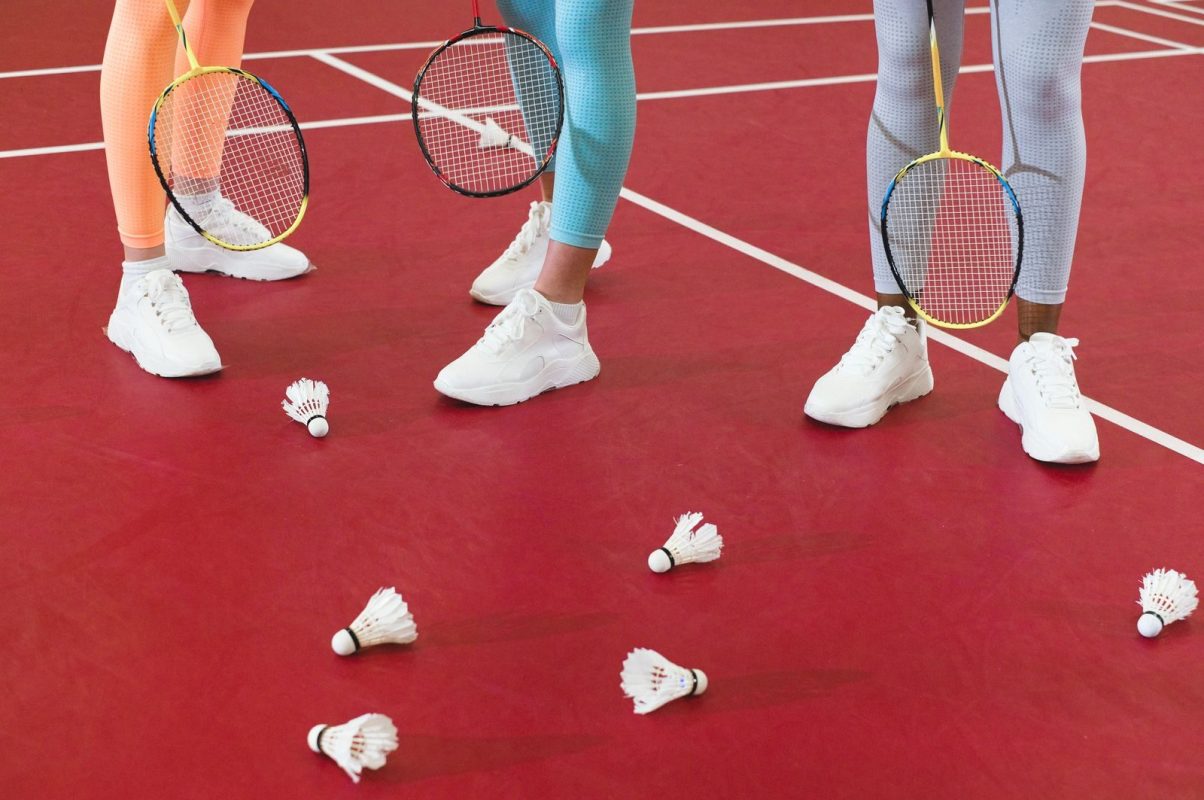
Three badminton players with rackets and shuttlecocks on a red court wearing active wear.
Training Equipment
Improve player development using agility ladders, target trainers, multi-shuttle systems, and footwork equipment.

Equipment Categories

Badminton facilities require more than rackets and shuttlecocks. Schools, clubs, and recreation centers often purchase complete equipment systems that include court equipment, storage solutions, training tools, and accessories for daily operations.

  • Competition Rackets
  • Training Rackets
  • Feather Shuttlecocks
  • Nylon Shuttlecocks
  • Badminton Nets
  • Net Posts
  • Practice Equipment
  • Storage Carts

Equipment Selection Considerations

Equipment selection should align with the intended users, facility requirements, budget, maintenance capacity, and expected usage frequency. Planning ahead helps reduce replacement costs and improve long-term equipment performance.

  • Player Age
  • Skill Level
  • Training or Competition
  • Indoor Facility Requirements
  • Equipment Durability
  • Storage Availability
  • Maintenance Needs
  • Budget Planning

Badminton Equipment Best Practices

Selecting quality badminton equipment improves player experience, equipment longevity, and facility efficiency. Schools, recreation centers, and sports clubs should establish routine inspection schedules, equipment replacement plans, and preventive maintenance procedures to maximize long-term value.
  • Select equipment appropriate for the level of play
  • Inspect rackets and nets regularly
  • Replace worn shuttlecocks when necessary
  • Maintain proper net height and tension
  • Store equipment in dry environments
  • Schedule routine equipment inspections
  • Purchase equipment from reliable suppliers
  • Plan replacement cycles annually
  • Compare lifecycle costs before purchasing
  • Maintain inventory records

F.A.Q.

Basic badminton equipment includes rackets, shuttlecocks, a net system, court markings, and appropriate footwear.

Consider weight, balance, grip size, shaft flexibility, player experience, and intended style of play.

Feather shuttlecocks provide better flight characteristics for competition, while nylon shuttlecocks offer greater durability for recreational and training use.

Schools typically require rackets, shuttlecocks, portable net systems, storage carts, scoreboards, and training accessories.

Clubs often invest in competition-grade rackets, feather shuttlecocks, permanent net systems, court accessories, and coaching equipment.

Replacement depends on usage frequency, maintenance practices, and equipment quality. Shuttlecocks require frequent replacement, while rackets and net systems typically have longer service lives.

Store equipment in dry environments, inspect rackets and nets regularly, replace damaged components promptly, and clean equipment after extended use.

Evaluate facility requirements, player demographics, competition standards, product durability, warranty coverage, maintenance costs, and long-term replacement planning.

Related Articles

Hello world!

Welcome to WordPress. This is your first post. Edit or delete it, then start writing!...