Basketball Equipment

Comprehensive basketball equipment guide for schools, universities, recreation centers, sports clubs, and commercial athletic facilities. Compare basketball equipment categories, purchasing considerations, facility planning, maintenance requirements, and equipment standards.

Basketball Equipment Overview

Basketball equipment includes basketball goals, backboards, rims, nets, basketballs, portable hoop systems, scoreboards, shot clocks, player benches, and court accessories. Selecting the right equipment depends on facility type, competition level, available space, durability, and long-term purchasing objectives.
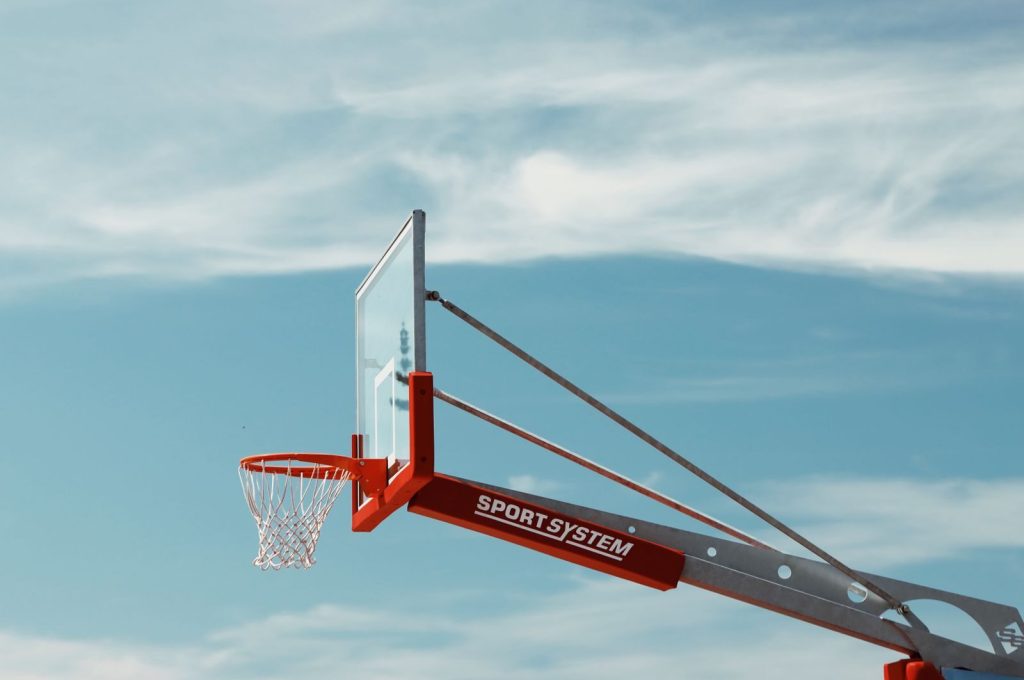
A basketball hoop with a transparent backboard set against a clear blue sky in Saulkrasti, Latvia.
Basketball Goals
Select fixed, wall-mounted, ceiling-suspended, or portable basketball goal systems based on facility requirements and competition level.
A basketball hoop and backboard set against a clear blue sky, capturing the essence of outdoor sports.
Backboards & Rims
Compare tempered glass, acrylic, and polycarbonate backboards, along with rim types designed for recreational and competitive play.
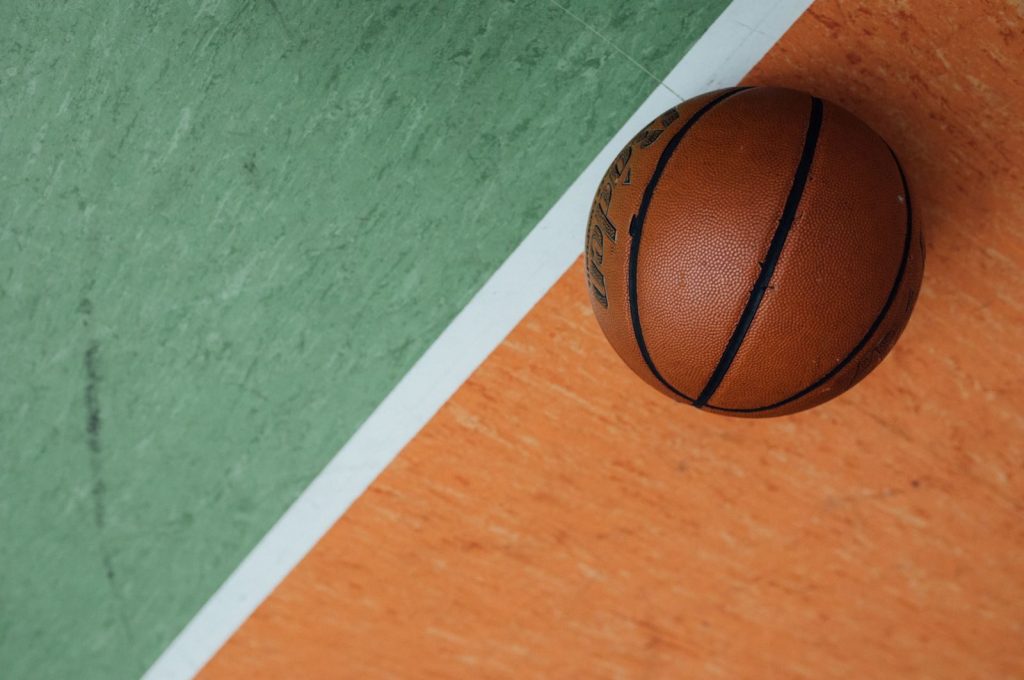
A close-up of a basketball resting on a colorful court with orange and green sections.
Basketballs
Compare indoor, outdoor, training, and official game basketballs for different age groups and playing environments.
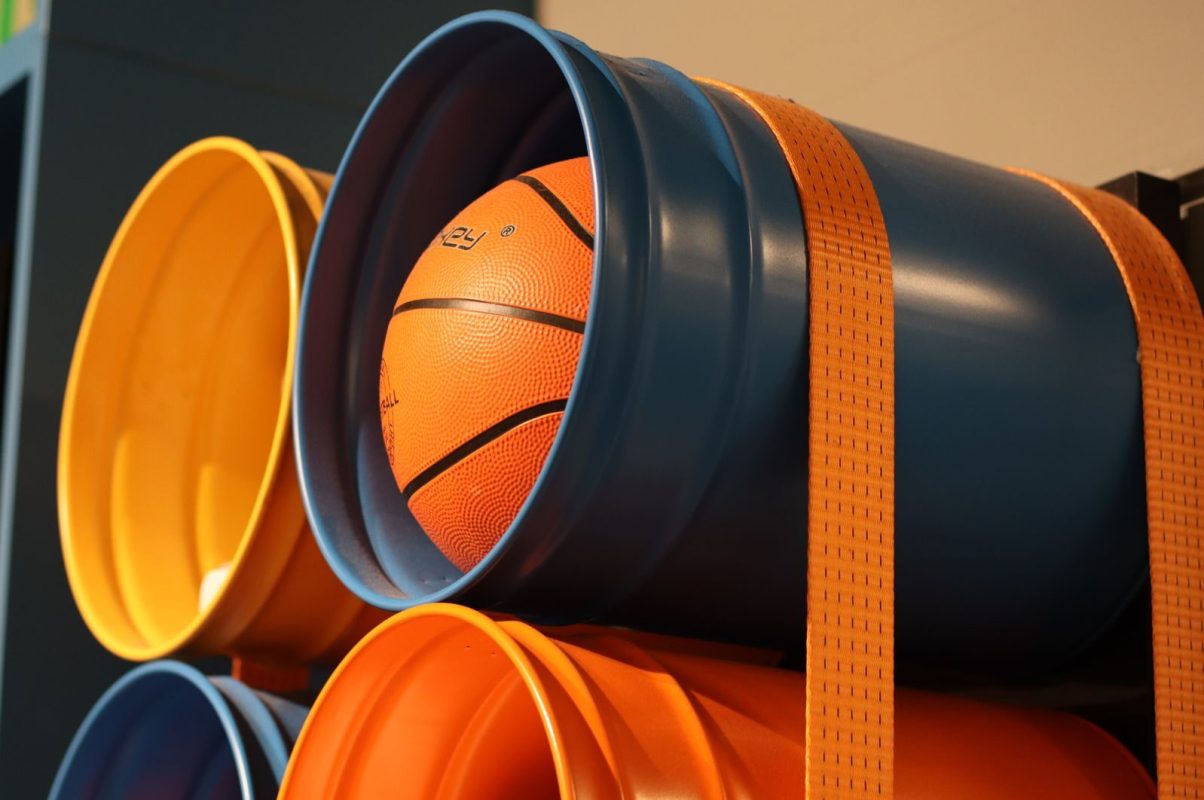
Brightly colored buckets with a basketball stored, perfect for sports enthusiasts.
Training Equipment
Develop shooting, dribbling, passing, agility, and defensive skills using specialized basketball training equipment.

Equipment Categories

Basketball facilities require complete equipment systems that include goals, backboards, basketballs, training equipment, scoreboards, seating, and court accessories. Selecting compatible equipment improves facility management, player safety, and long-term equipment performance.

  • Basketball Goals
  • Backboards
  • Basketball Rims
  • Basketballs
  • Portable Systems
  • Shot Clocks
  • Training Equipment
  • Court Accessories

Equipment Selection Considerations

Basketball equipment purchasing decisions should consider facility size, competition level, ceiling height, available space, equipment durability, maintenance requirements, and long-term replacement planning.

  • Competition Level
  • Facility Type
  • Indoor or Outdoor Use
  • Equipment Certification
  • Product Durability
  • Available Space
  • Maintenance Requirements
  • Budget Planning

Basketball Equipment Best Practices

Selecting high-quality basketball equipment improves player safety, game performance, and long-term facility operations. Schools, sports clubs, universities, and recreation centers should establish routine inspection schedules, preventive maintenance procedures, and equipment replacement plans to maximize equipment value.
  • Select equipment certified for the intended level of play
  • Inspect goals, backboards, and rims regularly
  • Replace worn basketball nets when necessary
  • Maintain proper backboard alignment
  • Inspect portable systems before each use
  • Clean basketballs and court accessories regularly
  • Purchase equipment from reliable suppliers
  • Develop annual replacement schedules
  • Compare lifecycle costs before purchasing
  • Maintain equipment inventory records

F.A.Q.

A basketball facility typically requires goals, backboards, rims, basketballs, nets, portable systems, scoreboards, shot clocks, seating, court accessories, and training equipment. Equipment requirements vary depending on the facility size, level of play, and intended use.

Basketball goal selection depends on whether the facility is indoor or outdoor, ceiling height, available space, level of competition, installation method, and applicable equipment standards.

Fixed systems provide greater stability for permanent facilities, while portable systems offer flexibility for multi-purpose gyms, schools, and recreation centers that require movable equipment.

Schools and recreation centers often purchase complete basketball packages that include adjustable goals, basketballs, scoreboards, training equipment, storage carts, and court accessories to support both physical education and organized competition.

Competitive basketball programs generally require regulation goals, certified backboards, official game basketballs, scoreboards, shot clocks, player benches, scorer tables, and equipment that complies with governing organization standards.

Basketball goals, backboards, rims, portable systems, basketballs, shot clocks, and court accessories should be inspected regularly for wear, damage, and loose components. Routine inspections help improve player safety, equipment performance, and long-term reliability.

Routine maintenance includes cleaning basketballs, checking goal alignment, tightening hardware, inspecting nets and rims, servicing portable systems, and replacing damaged components promptly to ensure safe operation.

Buyers should evaluate facility requirements, available space, competition level, equipment certifications, durability, maintenance needs, warranty coverage, supplier support, and long-term replacement costs before making purchasing decisions.

Basketball equipment should comply with applicable FIBA, NFHS, NCAA, and ASTM standards, depending on the level of play and facility requirements. Buyers should verify that equipment meets the appropriate specifications before purchasing.

Related Articles

Hello world!

Welcome to WordPress. This is your first post. Edit or delete it, then start writing!...