Gym Equipment

Comprehensive gym equipment guide for commercial gyms, schools, universities, recreation centers, and training facilities. Compare equipment categories, facility planning, purchasing considerations, maintenance practices, and equipment standards.

Gym Equipment Overview

Gym equipment includes cardio machines, strength equipment, free weights, storage systems, benches, racks, flooring, mirrors, and facility accessories. Selecting the right equipment depends on available space, user capacity, training goals, and long-term operational requirements.
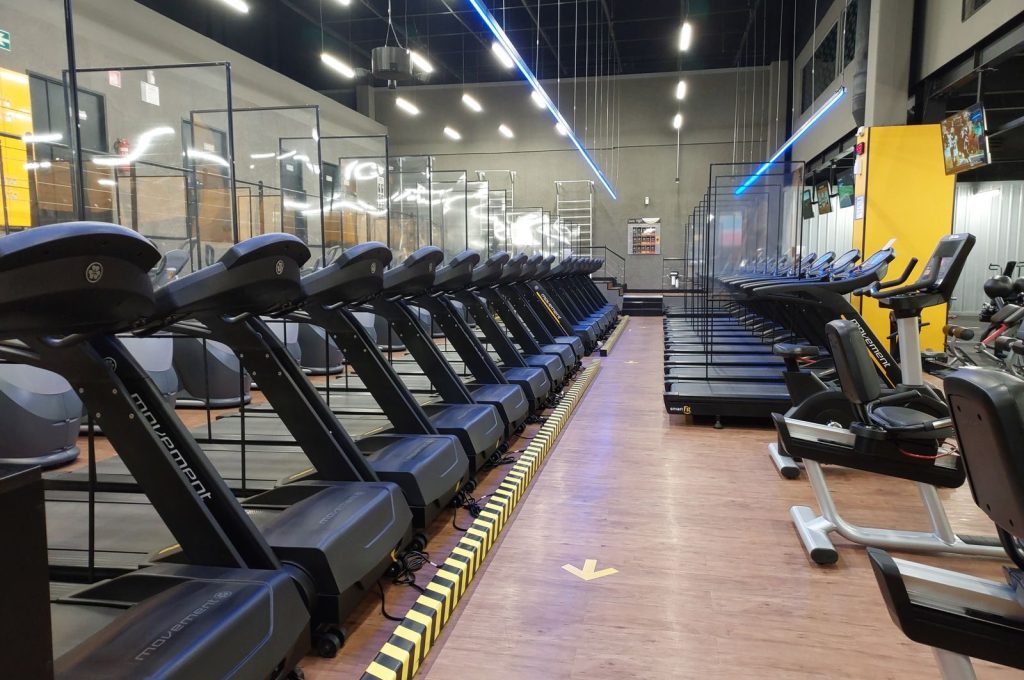
Row of treadmills and exercise machines in a well-lit modern gym setting.
Cardio Equipment
Compare treadmills, bikes, rowing machines, and elliptical trainers for commercial fitness facilities.
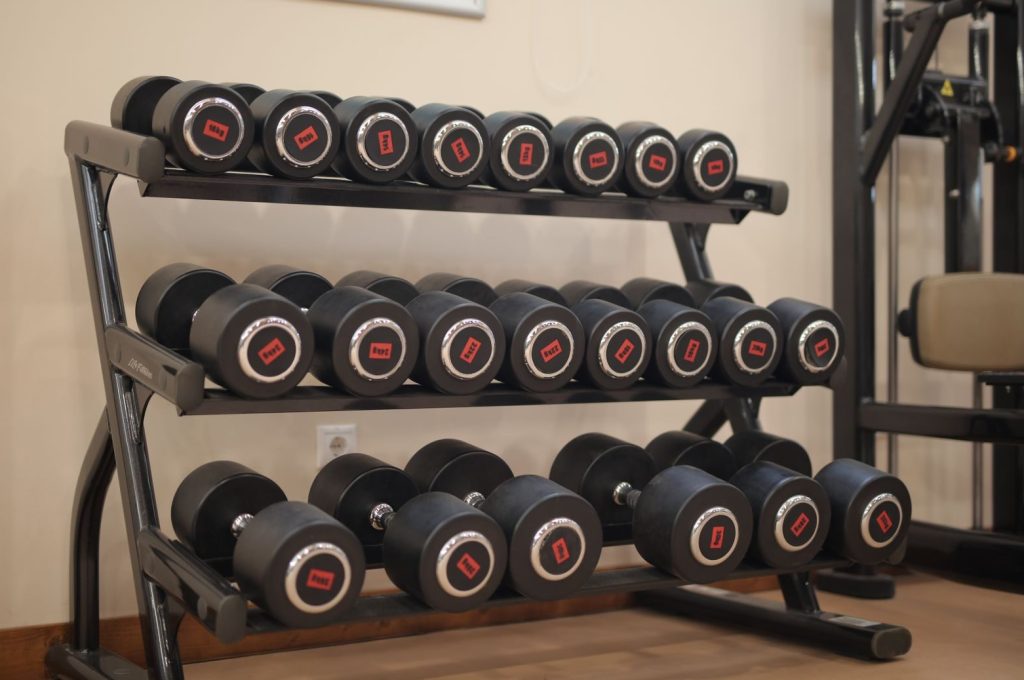
A neat arrangement of heavy dumbbells on a gym rack, ideal for workouts and strength training.
Strength Equipment
Select selectorized machines, plate-loaded equipment, and cable systems based on facility needs.
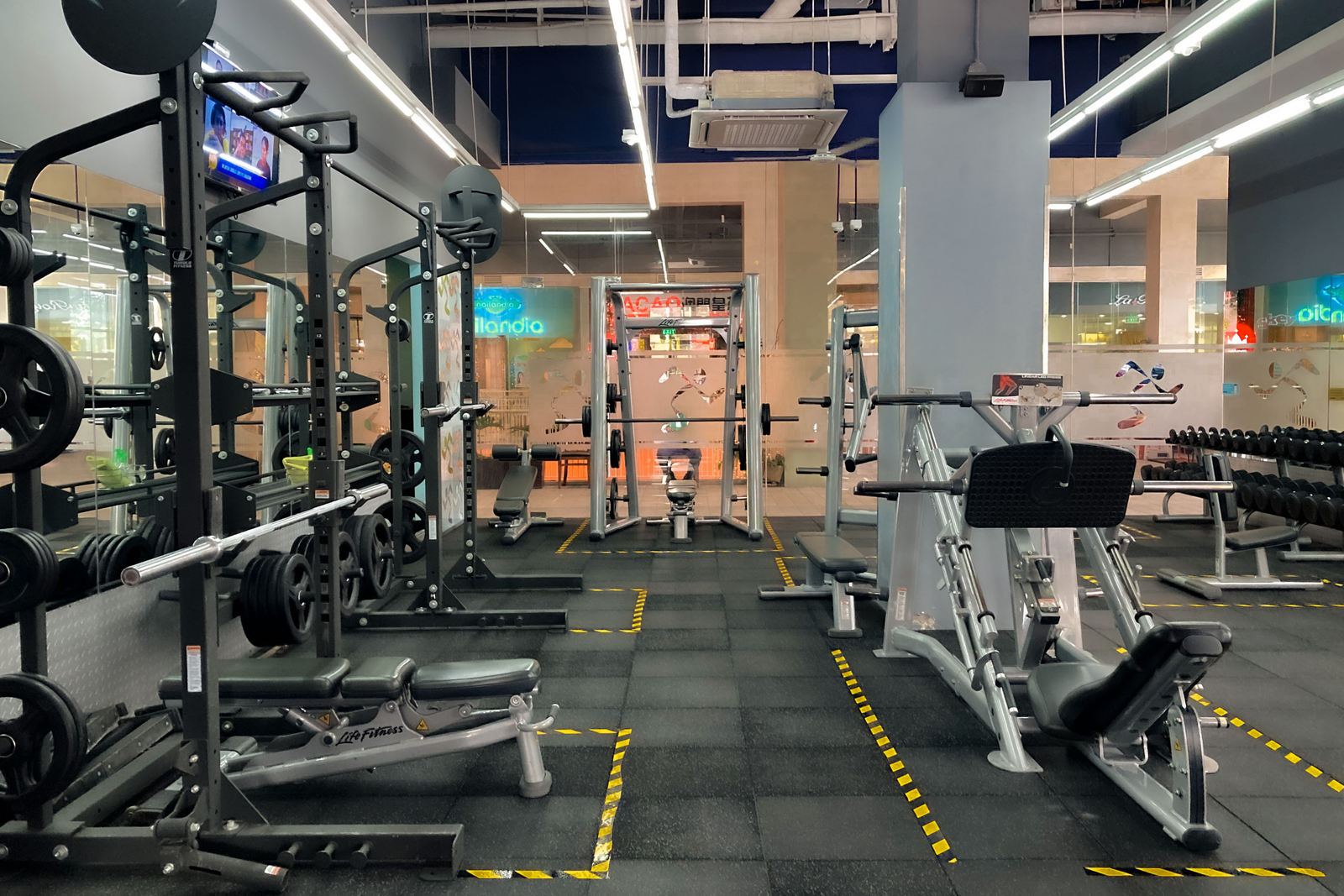
A spacious gym featuring modern exercise equipment and weights, ideal for fitness routines.
Benches & Racks
Choose adjustable benches, squat racks, power racks, and storage racks for safe and efficient training.
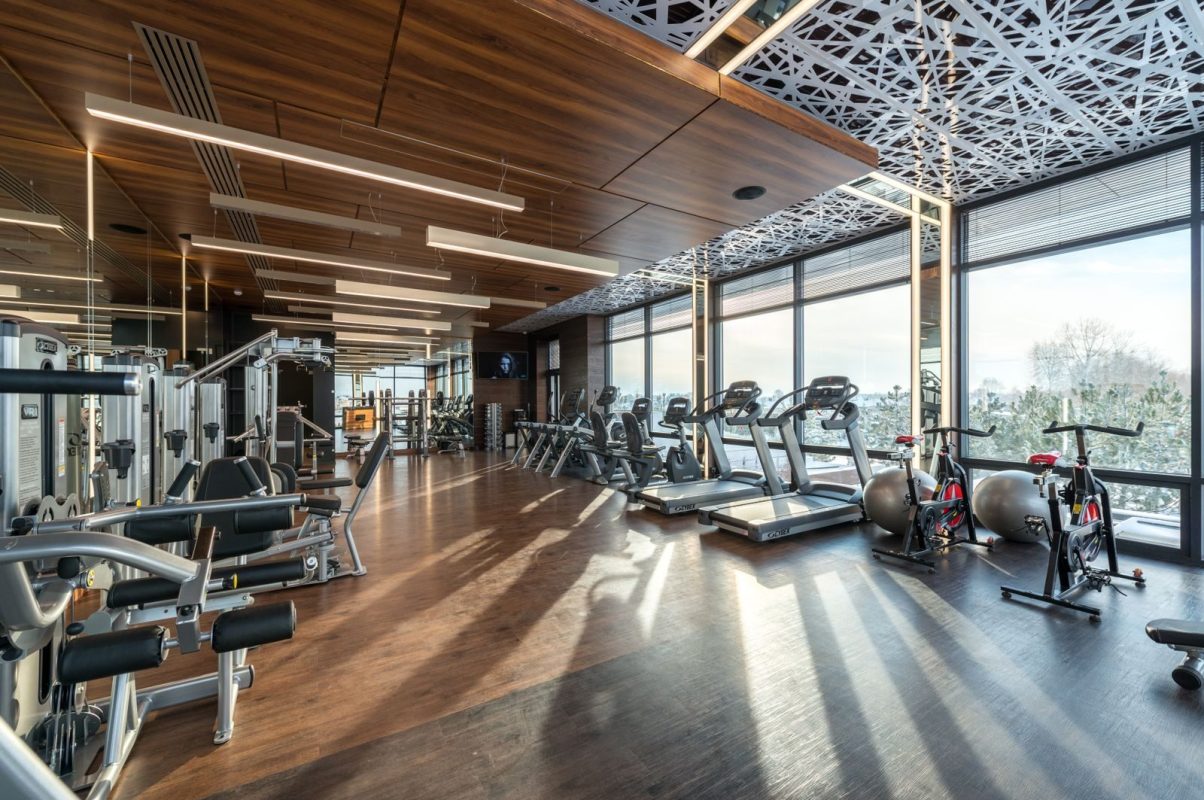
Modern exercise bikes and treadmills and various fitness equipment in spacious gym with wooden floor and panoramic windows in sunlight
Gym Flooring
Protect equipment and users with rubber flooring, lifting platforms, and impact-resistant gym surfaces.

Equipment Categories

Gym facilities require a combination of exercise equipment, storage systems, flooring, racks, benches, mirrors, and operational accessories. Proper equipment planning improves safety, workflow, and long-term facility performance.

  • Cardio Equipment
  • Strength Machines
  • Free Weights
  • Benches
  • Power Racks
  • Storage Systems
  • Gym Flooring
  • Facility Accessories

Equipment Selection Considerations

Gym equipment should be selected according to available space, user capacity, facility type, equipment durability, maintenance requirements, and long-term operating costs.

  • Facility Size
  • User Capacity
  • Equipment Layout
  • Equipment Durability
  • Maintenance Requirements
  • Budget Planning
  • Warranty Coverage
  • Replacement Planning

Gym Equipment Best Practices

Well-planned gym equipment improves operational efficiency, user safety, and long-term equipment performance. Routine maintenance, organized layouts, and scheduled equipment replacement help maximize facility value.
  • Plan equipment layout carefully
  • Provide adequate user spacing
  • Inspect equipment regularly
  • Maintain cardio machines
  • Replace worn cables and upholstery
  • Keep equipment clean
  • Organize storage areas
  • Plan equipment replacement cycles
  • Compare lifecycle costs
  • Maintain equipment service records

F.A.Q.

Commercial gyms typically require cardio machines, strength equipment, free weights, benches, racks, flooring, storage systems, and facility accessories.

Equipment layout should maximize user flow, safety, available space, and accessibility while separating cardio, strength, and functional training areas.

Schools and recreation centers often purchase cardio equipment, strength machines, free weights, benches, racks, storage systems, and durable flooring.

Cardio machines, strength equipment, racks, benches, cables, flooring, and storage systems should be inspected regularly for wear and safe operation.

Clean equipment daily, inspect moving parts regularly, tighten hardware, replace worn components, and follow manufacturer maintenance schedules.

Consider available space, user capacity, durability, maintenance costs, warranty coverage, and long-term equipment replacement planning.

Gym equipment should comply with applicable ASTM standards, manufacturer safety specifications, and facility safety requirements.

Football equipment should comply with applicable ASTM standards, league requirements, manufacturer specifications, and organizational safety policies for the intended level of play.

Equipment spacing should allow safe movement, accessibility, maintenance access, and compliance with applicable facility safety guidelines.

Related Articles

Hello world!

Welcome to WordPress. This is your first post. Edit or delete it, then start writing!...