
Volleyball Equipment

Comprehensive guide to volleyball equipment for schools, universities, athletic facilities, recreation centers, and competitive programs. Compare equipment categories, purchasing considerations, facility planning, maintenance practices, and equipment standards.

Volleyball Equipment Overview

Volleyball equipment includes volleyballs, net systems, poles, referee stands, training equipment, court accessories, storage solutions, and safety equipment. Selecting the right equipment depends on player level, facility type, competition requirements, and long-term operational needs.
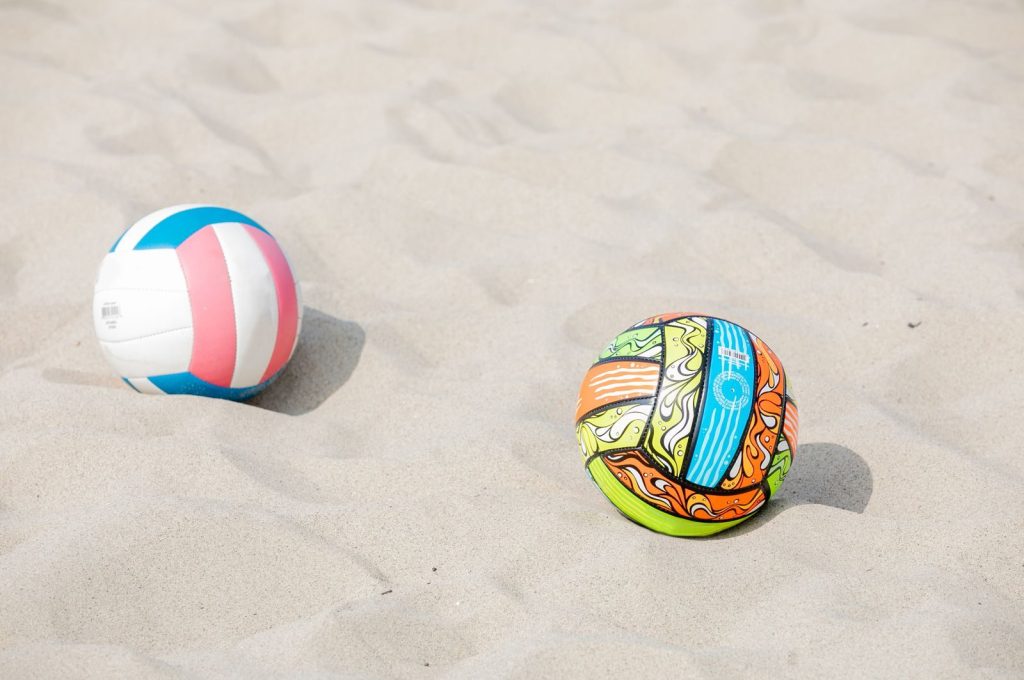
Two colorful balls resting on a sandy beach under the bright summer sun.
Volleyballs
Compare indoor, outdoor, beach, training, and competition volleyballs designed for different age groups and levels of play.
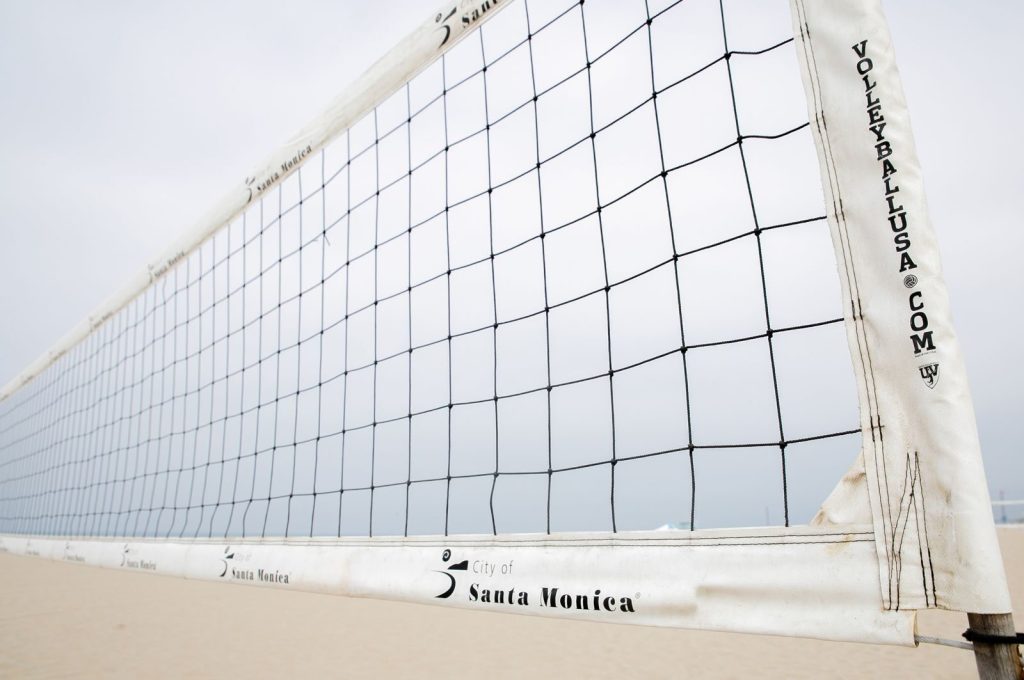
Close-up of a volleyball net on Santa Monica beach, ideal for sports themes.
Net Systems
Select volleyball nets, poles, antennas, cables, and complete net systems for schools, clubs, and competition facilities.
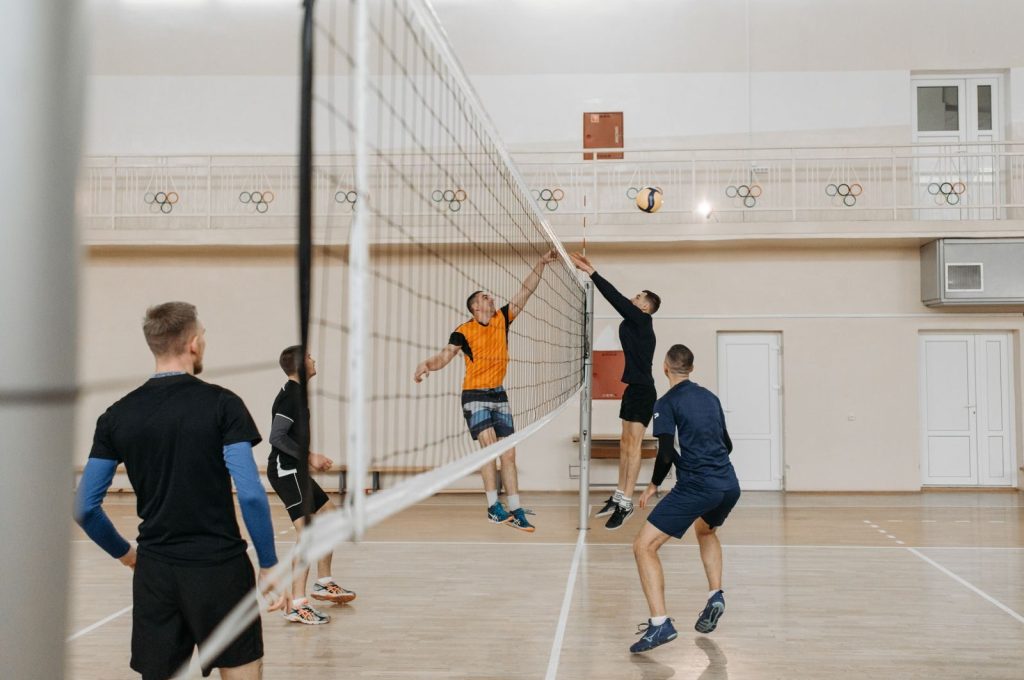
Exciting indoor volleyball match with athletes jumping to block and spike.
Court Equipment
Choose referee stands, padding systems, boundary lines, scoreboards, and court accessories for safe and organized play.
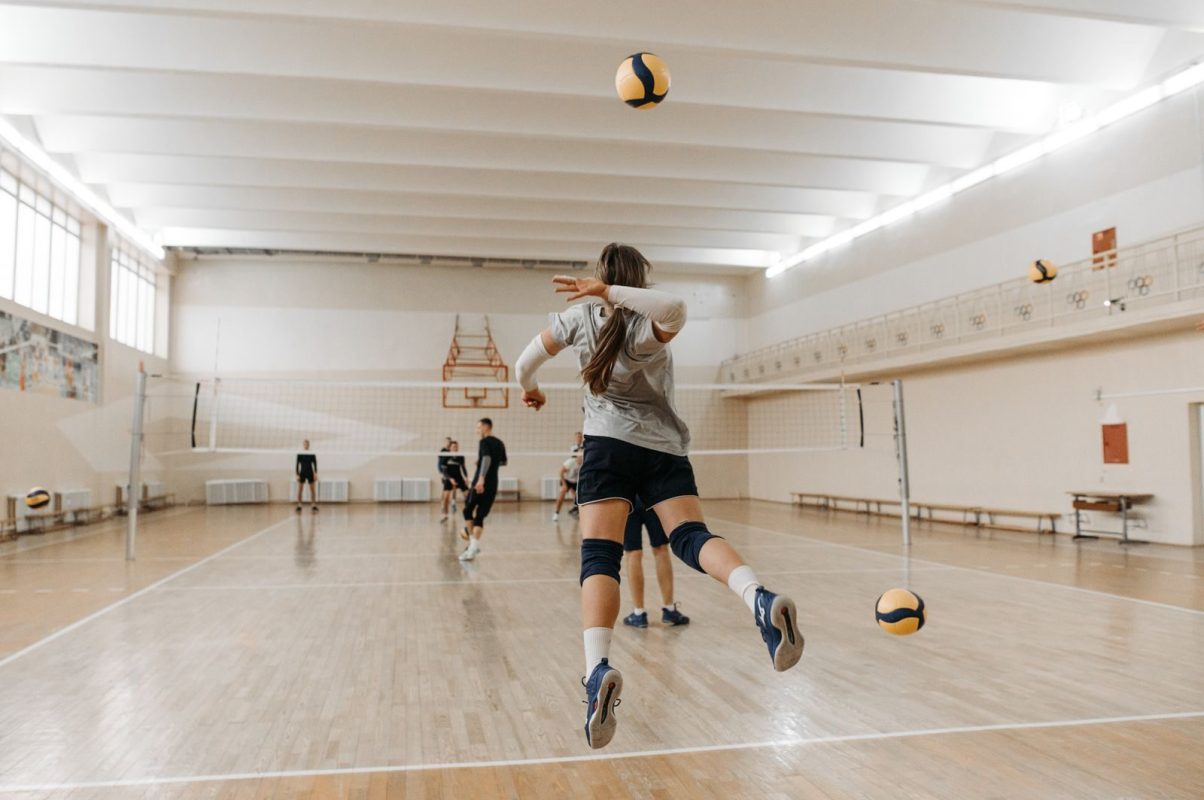
A dynamic volleyball match taking place in an indoor sports hall with players engaging actively.
Training Equipment
Improve serving, passing, blocking, setting, jumping, and agility using volleyball-specific training equipment.

Equipment Categories

Volleyball programs require equipment for gameplay, player development, facility operations, and competition management. Proper equipment selection improves safety, training efficiency, and long-term facility performance.

  • Volleyballs
  • Net Systems
  • Court Equipment
  • Training Equipment
  • Protective Padding
  • Scoreboards
  • Storage Systems
  • Court Accessories

Equipment Selection Considerations

Select volleyball equipment according to player level, facility type, competition standards, durability, maintenance requirements, available budget, and long-term replacement planning.

  • Player Level
  • Facility Type
  • Competition Level
  • Equipment Durability
  • Maintenance Requirements
  • Safety Standards
  • Budget Planning
  • Replacement Planning

Volleyball Equipment Best Practices

Quality volleyball equipment improves player safety, training efficiency, and long-term facility operations. Regular inspections, preventive maintenance, organized storage, and scheduled replacement help maximize equipment performance and extend product lifespan.

  • Select equipment appropriate for player age and competition level
  • Inspect nets, poles, and padding before use
  • Replace damaged volleyballs and net components promptly
  • Maintain proper net height and court setup
  • Store equipment in clean, dry environments
  • Purchase commercial-grade equipment from trusted suppliers
  • Plan equipment replacement schedules
  • Compare lifecycle costs before purchasing
  • Maintain equipment inventory records
  • Perform routine facility equipment inspections

F.A.Q.

A volleyball facility typically requires volleyballs, net systems, poles, antennas, referee stands, court padding, scoreboards, training equipment, and storage systems.

Choose a volleyball based on player age, competition level, indoor or outdoor use, ball size, material, and certification requirements.

Schools and recreation centers commonly use adjustable net systems with durable poles, safety padding, and easy height adjustment for multiple age groups.

Training equipment such as agility ladders, resistance bands, target trainers, blocking trainers, jump trainers, and reaction tools helps improve volleyball performance.

Regularly inspect nets, poles, padding, referee stands, volleyballs, cables, anchors, and training equipment for wear, stability, and safety.

Clean volleyballs and net systems regularly, inspect hardware, replace worn components promptly, and store equipment in a dry, organized environment.

Consider player level, facility type, equipment durability, maintenance requirements, safety standards, available budget, and long-term replacement costs.

Volleyball equipment should comply with applicable FIVB, NCAA, NFHS, and facility safety standards when required for competition or institutional use.

Related Articles

Hello world!

Welcome to WordPress. This is your first post. Edit or delete it, then start writing!...