
Facility Planning

Facility planning helps schools, universities, municipalities, and sports organizations design safe, efficient, and future-ready athletic facilities. Compare planning considerations including site selection, facility layout, budgeting, accessibility, equipment requirements, and long-term operations.

Facility Planning Process

Successful sports facility planning begins with understanding user needs, available space, project budgets, and long-term operational goals. Careful planning helps improve athlete experience, operational efficiency, and return on investment.
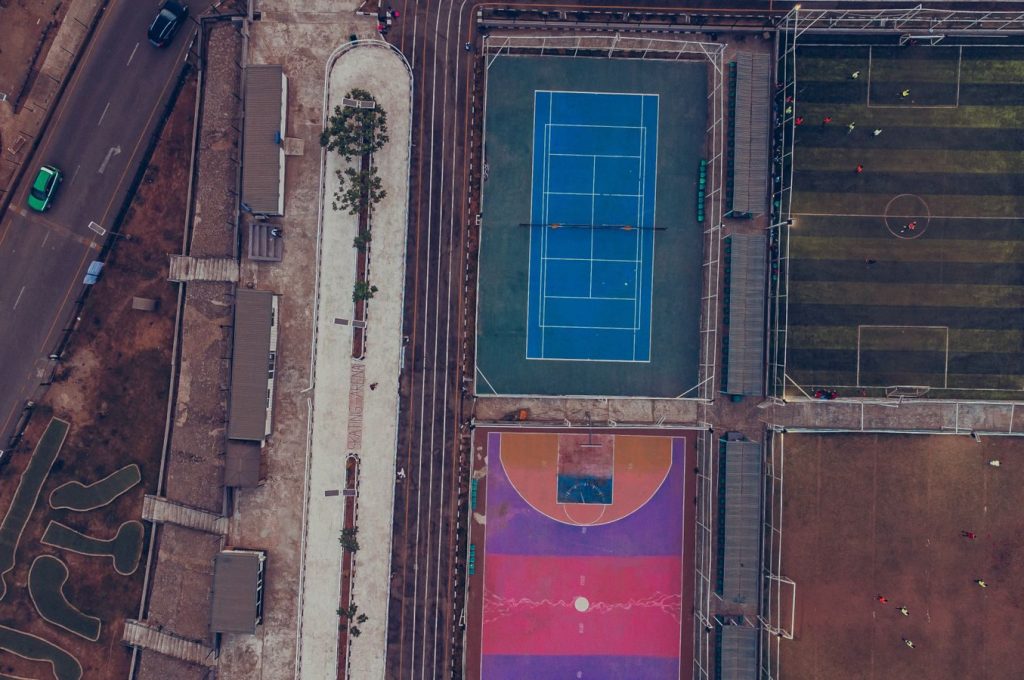
Top-down aerial shot showcasing tennis, soccer, and colorful basketball courts.
Needs Assessment
Identify facility goals, user groups, participation levels, and operational requirements before beginning the planning process.
Aerial view showcasing a suburban area with tennis courts and green spaces.
Facility Layout Planning
Develop efficient layouts that optimize athlete flow, spectator access, safety, and future expansion opportunities.
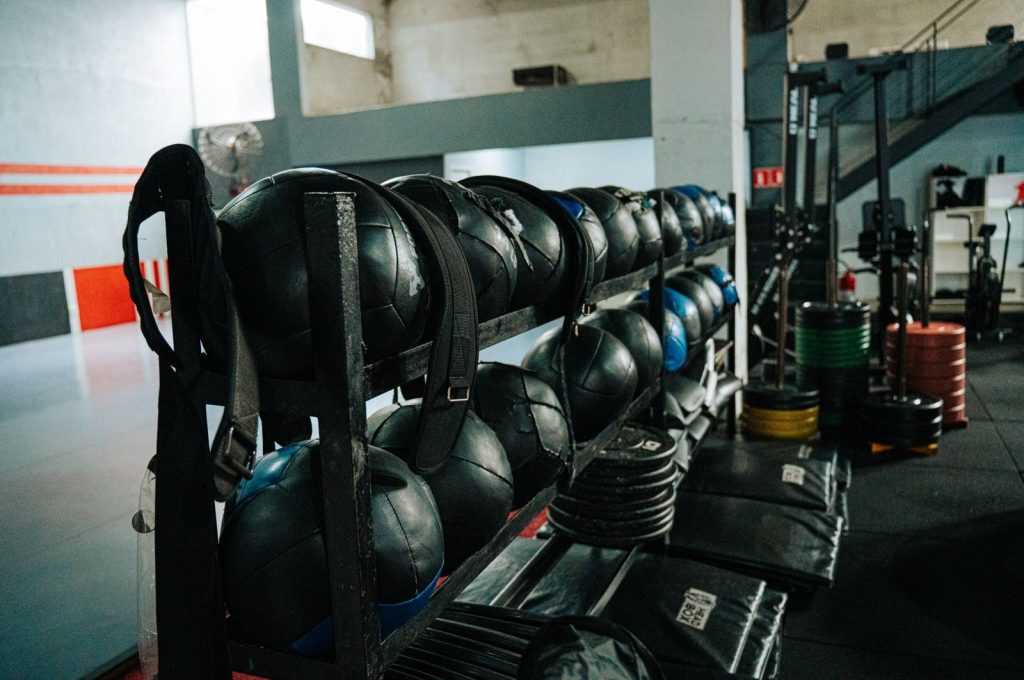
Well-equipped indoor gym featuring kettlebells, weights, and workout gear, perfect for fitness enthusiasts.
Equipment Planning
Select equipment based on sport requirements, facility size, safety standards, maintenance needs, and available budget.
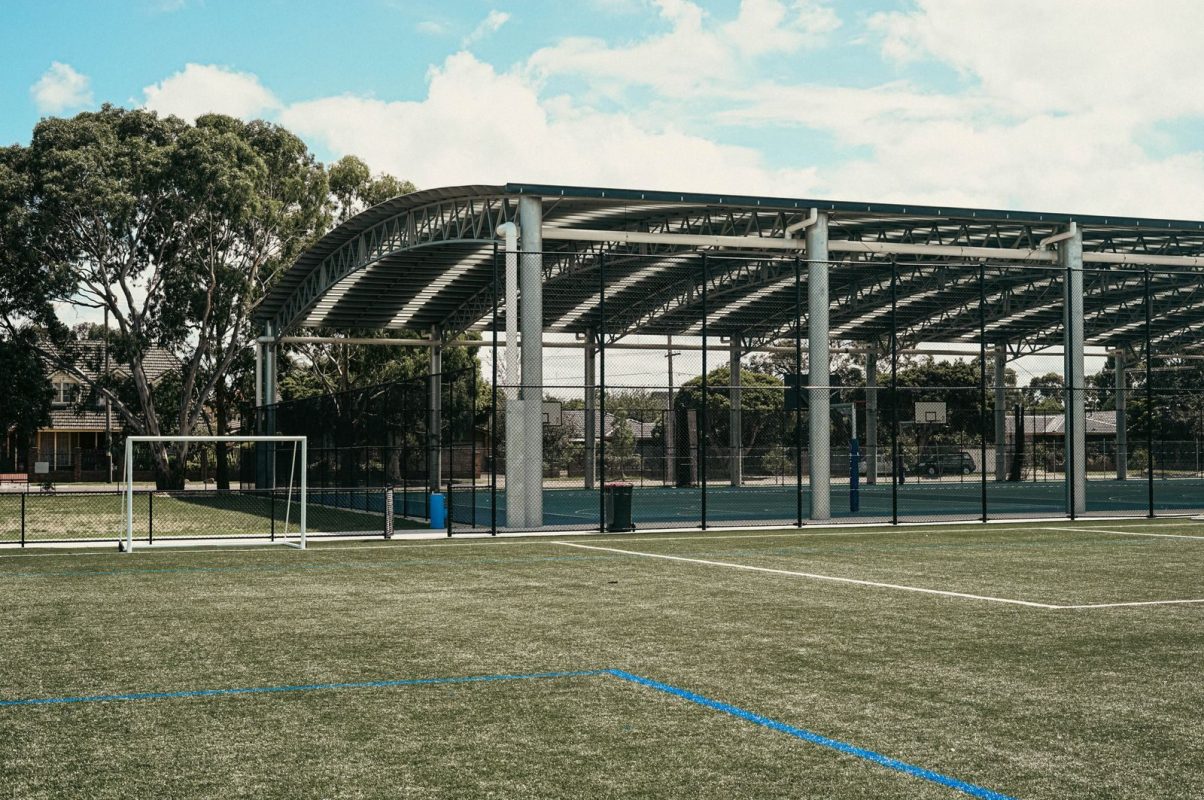
A versatile sports facility featuring a roofed court and soccer field under a bright sky.
Construction Planning
Coordinate construction phases, timelines, contractors, inspections, and installation schedules for successful project delivery.

Planning Considerations

Effective facility planning requires balancing user needs, project budgets, available space, safety standards, operational efficiency, and long-term maintenance requirements.

  • Facility Objectives
  • Site Conditions
  • Budget Planning
  • Accessibility
  • Equipment Requirements
  • Safety Standards
  • Maintenance Planning
  • Future Expansion

Typical Projects

Sports facility planning supports projects of different sizes, from school gymnasiums to regional athletic complexes.

  • Schools
  • Universities
  • Municipal Sports Parks
  • Community Recreation Centers
  • Sports Clubs
  • Multi-Sport Complexes

Best Practices

Successful sports facilities begin with careful planning, realistic budgeting, and collaboration between designers, contractors, and facility operators.
  • Define project objectives early.
  • Plan for future expansion.
  • Prioritize athlete and spectator safety.
  • Select durable commercial-grade equipment.
  • Ensure ADA accessibility.
  • Develop long-term maintenance plans.

F.A.Q.

Sports facility planning is the process of designing athletic spaces that meet user needs, safety requirements, operational goals, and budget constraints. It includes site evaluation, facility layout, equipment selection, accessibility, and long-term maintenance planning.

Key planning factors include facility objectives, available space, target users, sport requirements, project budget, accessibility, equipment needs, safety standards, maintenance expectations, and future expansion opportunities.

Equipment requirements are based on the sports offered, level of competition, participant capacity, available space, applicable standards, and expected usage. Commercial facilities typically require more durable equipment than recreational venues.

Site selection affects accessibility, drainage, utilities, parking, traffic flow, environmental conditions, construction costs, and future expansion possibilities. Choosing the right location helps improve long-term operational efficiency.

Well-planned facilities reduce maintenance costs, improve traffic flow, maximize equipment utilization, support future upgrades, and create safer environments for athletes, staff, and spectators.

Facility planners should consider applicable building codes, ADA accessibility requirements, fire and emergency regulations, sports governing body standards, and equipment safety guidelines appropriate for each sport.

Future expansion should be considered during the initial planning stage by reserving available space, designing flexible layouts, selecting scalable infrastructure, and anticipating future participation growth and equipment upgrades.

Successful projects typically involve facility owners, architects, engineers, sports consultants, contractors, equipment suppliers, maintenance personnel, and end users to ensure the facility meets operational and performance requirements.

Related Articles

Hello world!

Welcome to WordPress. This is your first post. Edit or delete it, then start writing!...