
Field Equipment

Field equipment includes goals, nets, player benches, field marking systems, protective barriers, and accessories used in outdoor sports facilities. Compare equipment based on sport type, durability, safety, installation requirements, and long-term maintenance.

Field Equipment Types

Field equipment supports safe and efficient operation of outdoor sports facilities. Selecting the right equipment depends on the sport, facility size, competition level, maintenance requirements, and expected usage.
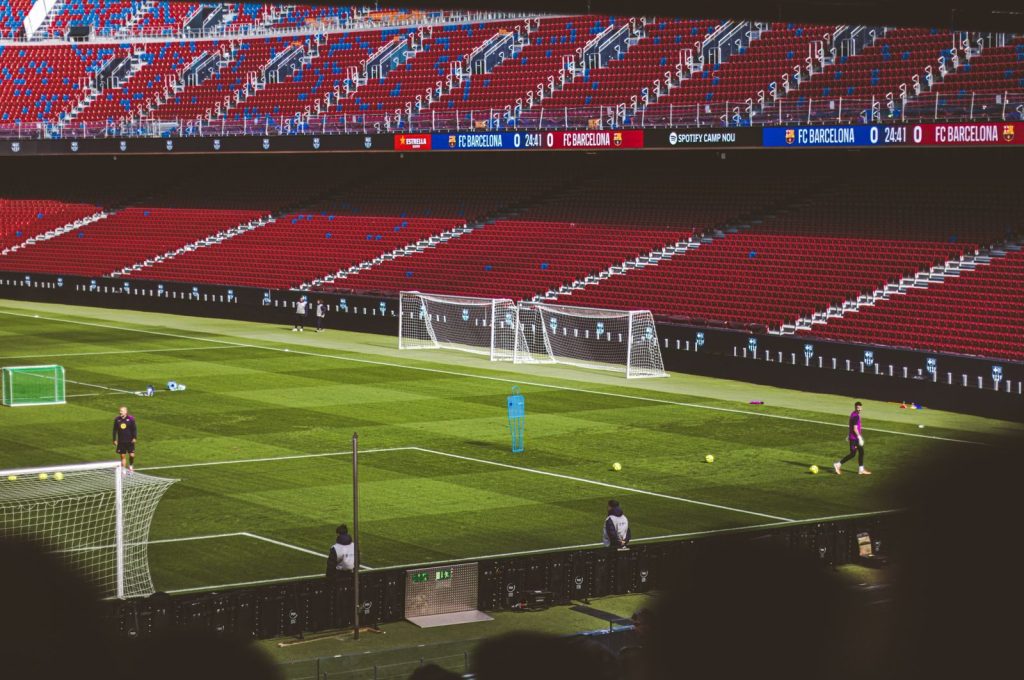
Soccer practice at a famous stadium with vibrant red seating and green field.
Soccer Goals
Commercial-grade soccer goals designed for schools, sports clubs, parks, and competitive athletic facilities.
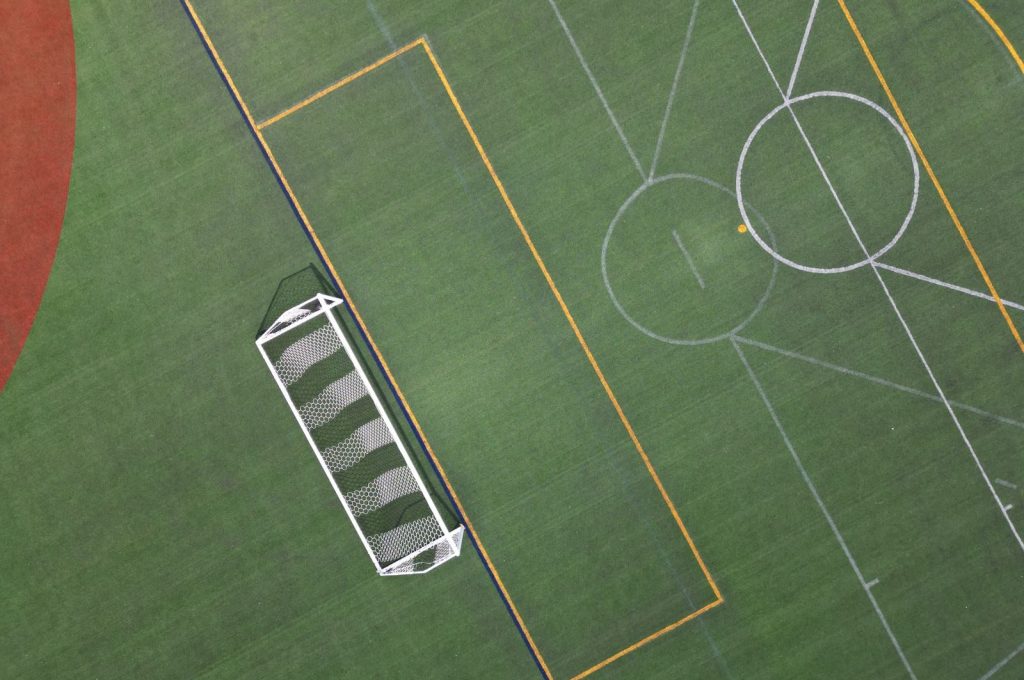
Top-down view of a vibrant, empty soccer field highlighting the goal net and pitch lines.
Football Field Equipment
Goal posts, sideline markers, tackling equipment, and accessories for football fields and training facilities.
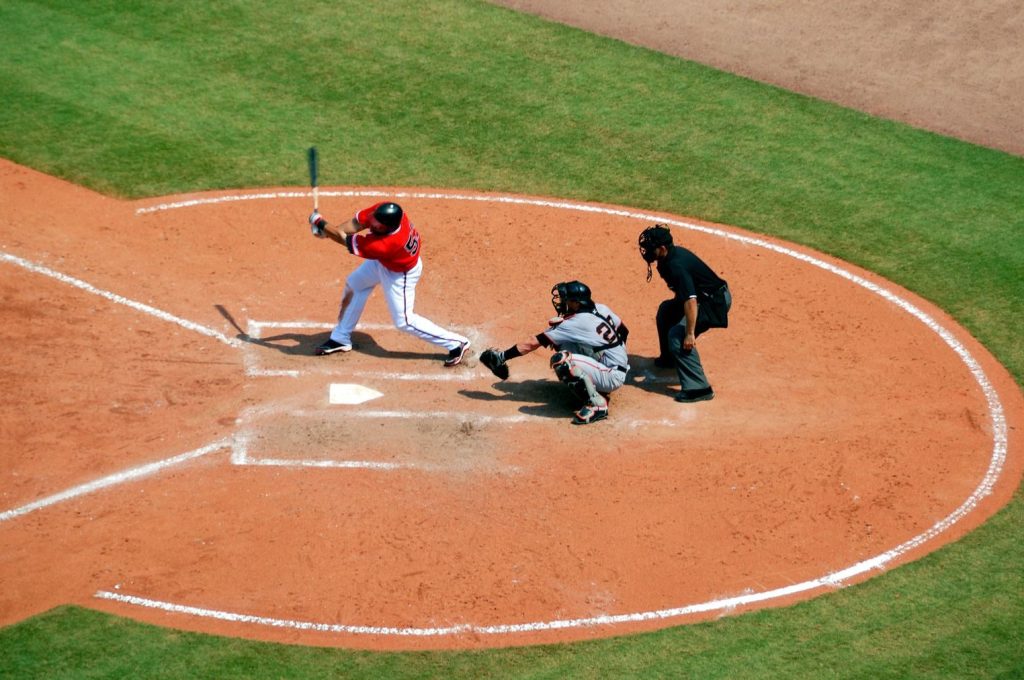
Action shot of a baseball game with batter swinging, catcher, and umpire observing play.
Baseball & Softball Equipment
Field equipment including backstops, foul poles, batting cages, protective screens, and dugout accessories.
Empty team bench at a football stadium in Portugal, showcasing vibrant seats and lush grass.
Field Benches & Shelters
Player benches and team shelters designed for outdoor sports fields, schools, and municipal athletic facilities.

Field Equipment Selection Considerations

Selecting field equipment requires evaluating sport-specific requirements, weather resistance, safety, durability, installation methods, and long-term maintenance costs.

  • Sport Compatibility
  • Field Size
  • Weather Resistance
  • Safety Features
  • Equipment Durability
  • Installation Requirements
  • Maintenance Requirements
  • Lifecycle Cost

Recommended Applications

Field equipment is available for facilities of different sizes and competition levels. Selecting the appropriate systems helps improve safety, performance, and operational efficiency.

  • Schools
  • Universities
  • Municipal Sports Parks
  • Community Recreation Centers
  • Sports Clubs
  • Professional Training Facilities

Best Practices

Proper installation, regular inspections, and preventive maintenance help extend equipment lifespan, improve athlete safety, and reduce long-term operating costs.
  • Select equipment designed for the intended sport.
  • Inspect goals and field accessories regularly.
  • Verify anchors and mounting systems.
  • Replace damaged components promptly.
  • Maintain protective padding where required.
  • Follow manufacturer maintenance recommendations.

F.A.Q.

Field equipment includes goals, goal posts, benches, protective barriers, field marking systems, nets, and accessories used in outdoor sports facilities.

Common categories include soccer goals, football goal posts, baseball equipment, rugby equipment, player benches, shelters, and field maintenance accessories.

Buyers should consider the sport, facility size, competition level, durability, safety, installation requirements, and maintenance needs.

Commercial field equipment is commonly manufactured from galvanized steel, aluminum, powder-coated steel, high-density polyethylene, and weather-resistant composite materials.

Yes. Equipment should comply with applicable sports governing body standards, local safety regulations, and manufacturer installation guidelines.

Routine visual inspections should be performed regularly, with comprehensive maintenance and structural inspections scheduled throughout the year.

Many commercial systems are designed for outdoor use with corrosion-resistant finishes, although routine maintenance helps maximize service life.

Material quality, weather exposure, installation quality, maintenance practices, and frequency of use all influence equipment longevity.

Related Articles

Hello world!

Welcome to WordPress. This is your first post. Edit or delete it, then start writing!...