

Locker Rooms

Locker rooms provide athletes, coaches, officials, and staff with secure changing, storage, shower, and support facilities. Compare locker room solutions based on capacity, accessibility, durability, hygiene, and long-term facility operations.

Locker Room Types

Locker rooms are designed to support different sports programs, facility sizes, and user groups. Selecting the appropriate layout and amenities improves user comfort, operational efficiency, hygiene, and long-term facility performance.
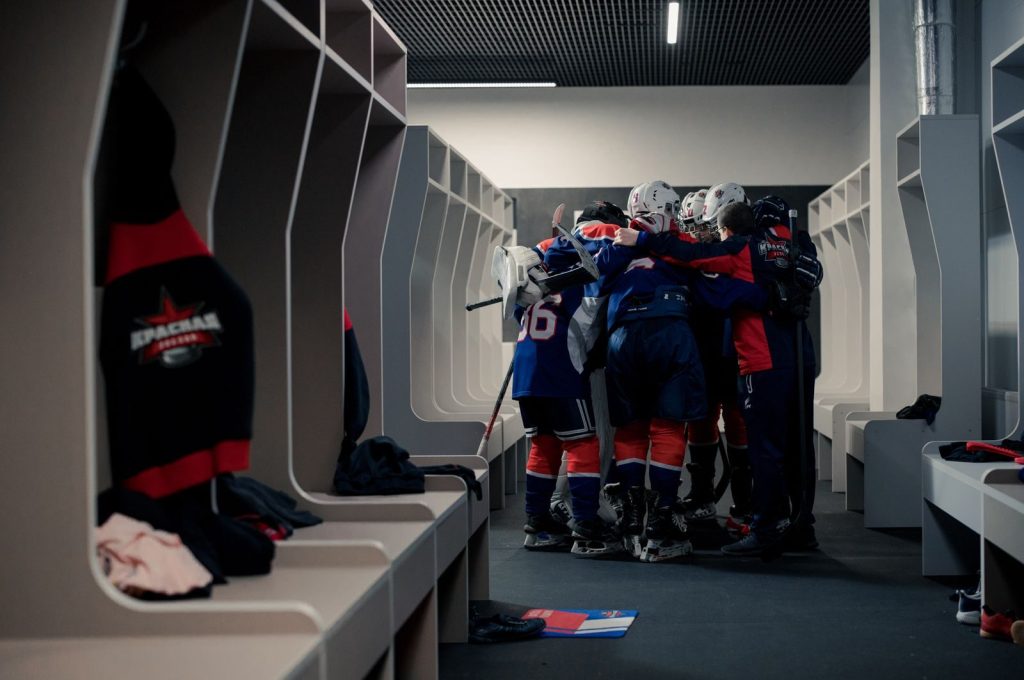
A hockey team in a locker room huddles for motivation, symbolizing teamwork and sportsmanship.
Team Locker Rooms
Designed for athletic teams with lockers, benches, showers, and changing areas that support training and competition.
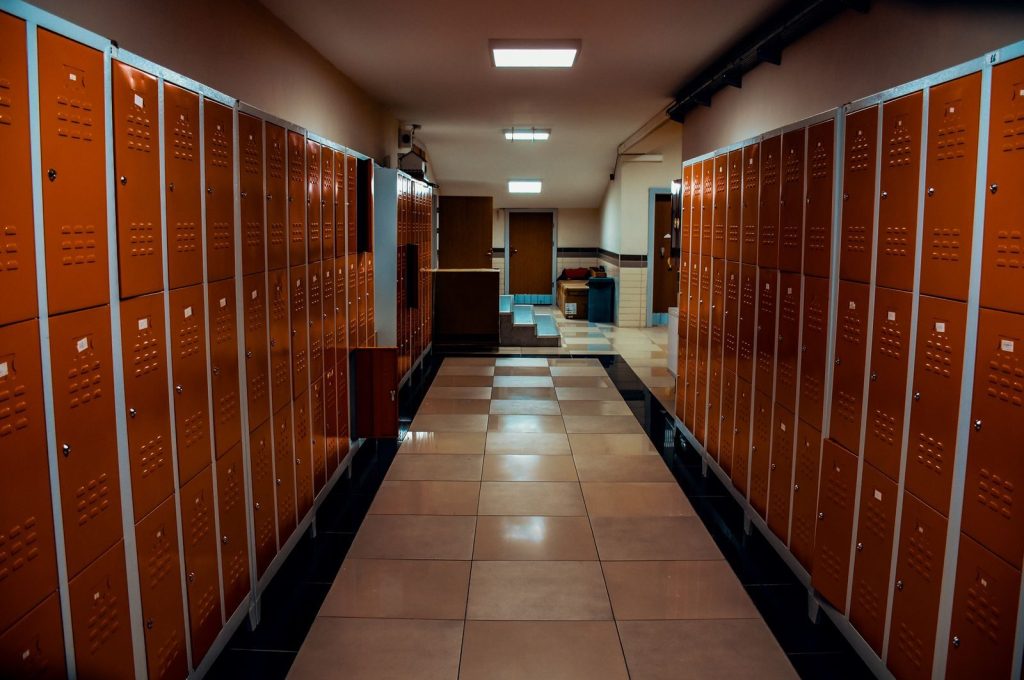
Vacant locker room with orange lockers and tiled flooring in a modern sports facility.
Fitness Center Locker Rooms
Locker facilities supporting gyms, recreation centers, and commercial fitness clubs with secure storage and changing areas.
Vibrant multi-colored lockers with keys in an indoor setting.
School Locker Rooms
Locker rooms designed for physical education programs, school athletics, and student activities.
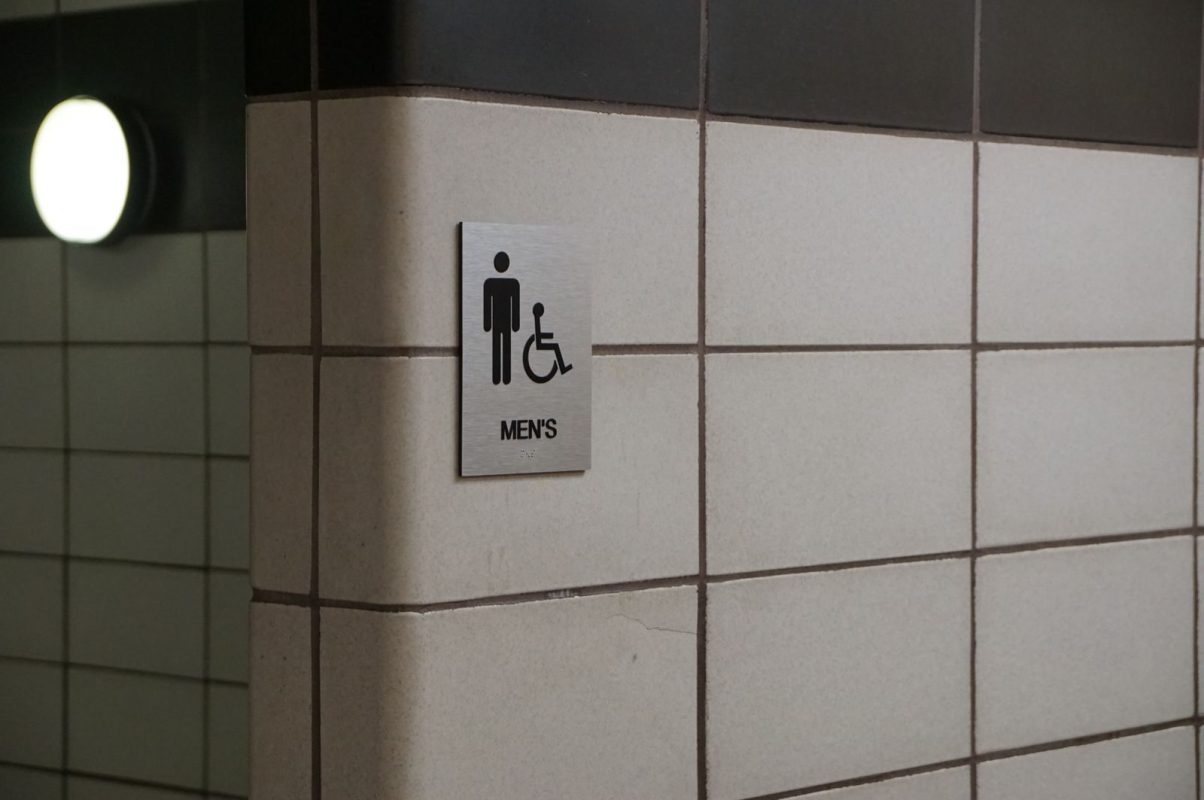
A men's restroom sign with accessible symbol on a tiled wall, featuring minimalist design.
Accessible Locker Rooms
Changing facilities designed to improve accessibility, safety, and convenience for all users while supporting ADA compliance.

Locker Room Planning Considerations

Planning locker rooms requires balancing user capacity, security, hygiene, accessibility, maintenance, and operational efficiency.

  • User Capacity
  • Locker Configuration
  • Shower & Changing Areas
  • Accessibility
  • Ventilation
  • Hygiene & Cleaning
  • Storage Solutions
  • Maintenance Planning

Typical Applications

Locker rooms are used across educational, recreational, and professional athletic facilities to support athletes, staff, and visitors.

  • Schools
  • Universities
  • Sports Clubs
  • Community Recreation Centers
  • Commercial Fitness Centers
  • Professional Sports Facilities

Best Practices

Well-designed locker rooms improve user comfort, streamline daily operations, enhance hygiene, and provide secure storage for athletes and facility users.
  • Provide adequate locker capacity.
  • Separate wet and dry areas.
  • Use durable, moisture-resistant materials.
  • Ensure ADA accessibility.
  • Maintain proper ventilation.
  • Develop regular cleaning schedules.

F.A.Q.

Locker rooms are support facilities that provide secure storage, changing areas, showers, and amenities for athletes, staff, and visitors.

Common types include team locker rooms, school locker rooms, fitness center locker rooms, family changing rooms, officials’ locker rooms, and accessible locker rooms.

Important considerations include user capacity, locker layout, shower facilities, accessibility, ventilation, hygiene, storage, and maintenance.

Well-designed locker rooms improve user flow, reduce congestion, support equipment organization, and simplify cleaning and maintenance.

Commercial locker rooms commonly use laminate, phenolic, HDPE, stainless steel, tile, and moisture-resistant finishes for durability and easy maintenance.

Yes. Accessible locker rooms should meet applicable ADA requirements, including accessible lockers, changing spaces, showers, and circulation paths.

Facilities should establish regular cleaning schedules, inspect lockers and plumbing systems, maintain ventilation, and repair damaged components promptly.

Capacity depends on facility size, expected users, sports programs, event schedules, available space, and operational requirements.

Related Articles

Hello world!

Welcome to WordPress. This is your first post. Edit or delete it, then start writing!...