

Spectator Seating

Spectator seating includes fixed seating, stadium chairs, grandstand seats, VIP seating, and accessible seating for schools, universities, stadiums, arenas, and community sports facilities. Compare seating systems based on comfort, capacity, durability, accessibility, maintenance, and long-term performance.

Spectator Seating Types

Spectator seating systems are available for different venue sizes, sports, and audience capacities. Selecting the appropriate seating improves spectator comfort, accessibility, safety, and long-term facility value.
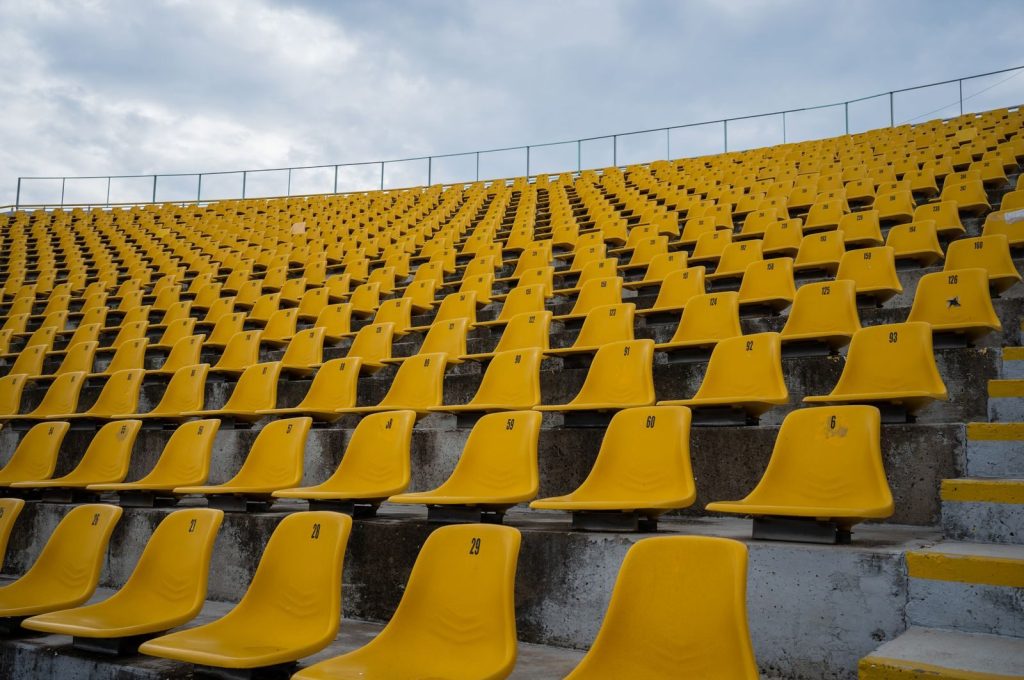
View of empty yellow seats arranged in rows at a stadium on a cloudy day.
Stadium Seating
Durable fixed seating systems designed for stadiums, athletic complexes, universities, and large sports venues.
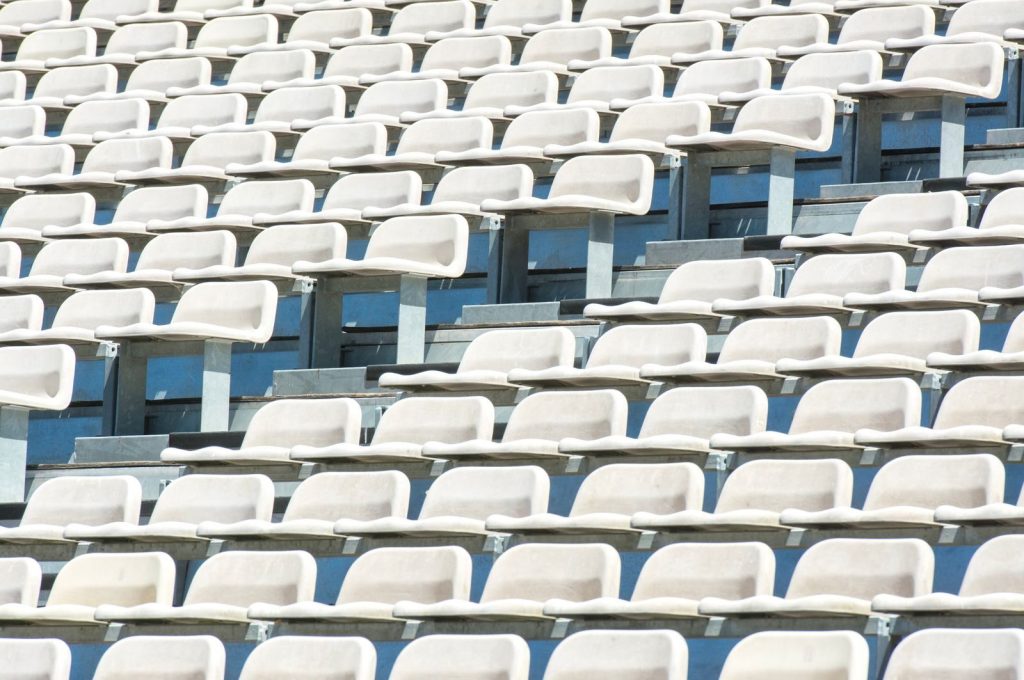
Rows of empty white plastic seats in a stadium, lined up under bright sunlight.
Grandstand Seating
High-capacity seating designed for schools, parks, recreation facilities, and community sporting events.
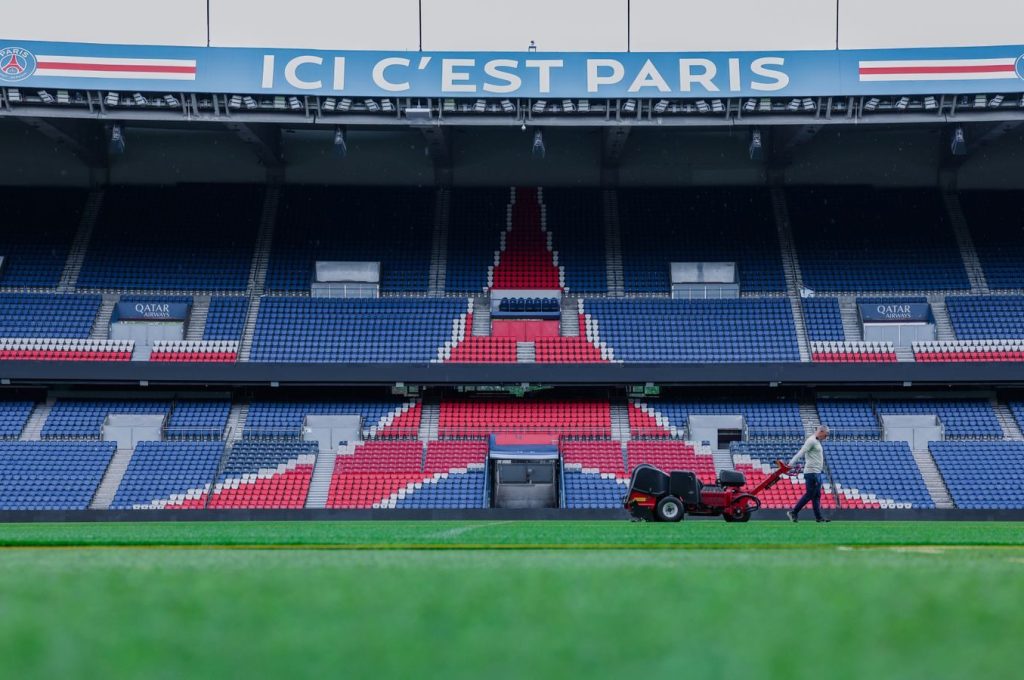
Gardener working on the field at Parc des Princes stadium, Paris. Vibrant and iconic sports venue.
VIP Seating
Premium spectator seating offering enhanced comfort, individual seating, and upgraded amenities for professional venues.
Vibrant green seats with handicap signs against a minimalist background.
ADA Accessible Seating
Accessible seating areas designed to improve mobility, visibility, and compliance with ADA accessibility requirements.

Seating Selection Considerations

Selecting spectator seating requires evaluating venue capacity, comfort, durability, accessibility, installation requirements, and long-term maintenance.

  • Seating Capacity
  • Comfort Level
  • Material Selection
  • Weather Resistance
  • ADA Compliance
  • Installation Requirements
  • Maintenance Requirements
  • Total Cost of Ownership

Recommended Applications

Spectator seating systems are designed for facilities ranging from school athletic fields to professional sports stadiums.

  • Schools
  • Universities
  • Community Recreation Centers
  • Municipal Parks
  • Sports Stadiums
  • Indoor Arenas

Best Practices

Well-designed spectator seating improves spectator comfort, safety, accessibility, and long-term facility performance while reducing maintenance costs.
  • Select seating based on expected attendance.
  • Choose weather-resistant materials for outdoor venues.
  • Provide accessible seating throughout the venue.
  • Inspect seating systems regularly.
  • Replace damaged seats promptly.
  • Follow manufacturer maintenance recommendations.

F.A.Q.

Spectator seating refers to seating systems designed for audiences attending sporting events, competitions, and recreational activities.

Common options include stadium seating, grandstand seating, VIP seating, ADA accessible seating, and retractable seating systems.

Capacity, comfort, material durability, accessibility, weather resistance, maintenance, and total ownership cost.

Common materials include aluminum, molded plastic, steel, composite materials, and upholstered seating for premium areas.

Yes. Public sports facilities should include accessible seating locations, companion seating, and accessible routes that comply with ADA regulations.

Facilities should inspect seating systems regularly for structural integrity, loose hardware, damaged seats, and safety compliance.

Commercial seating systems typically last 15–30 years depending on materials, environmental conditions, and maintenance.

Bleachers refer to the structural seating platform, while spectator seating focuses on individual seats, comfort, accessibility, and audience experience.

Related Articles

Hello world!

Welcome to WordPress. This is your first post. Edit or delete it, then start writing!...