Sports Lighting

Sports lighting systems provide safe, durable, and energy-efficient illumination for schools, universities, stadiums, sports clubs, recreation facilities, and professional venues. Compare commercial sports lighting systems based on illumination requirements, energy efficiency, glare control, installation methods, maintenance costs, and long-term operating value.

Sports Lighting Types

Proper sports lighting improves athlete visibility, spectator experience, safety, and facility operations. Different lighting systems are designed for various sports, competition levels, and indoor or outdoor environments.
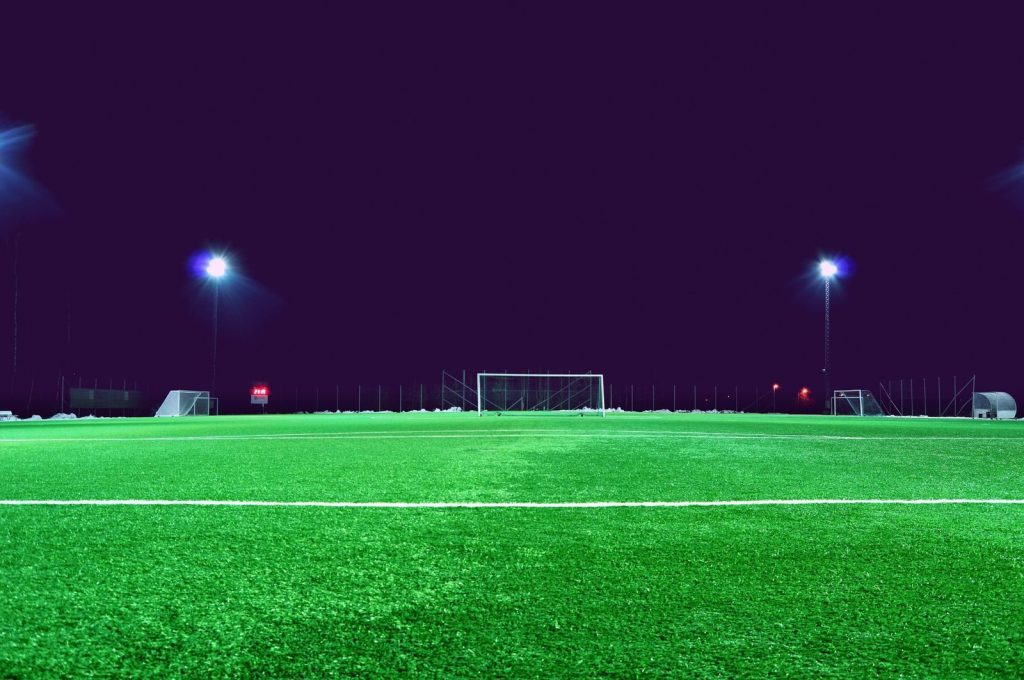
A brightly lit soccer field at night in Norrtälje, Sweden, showcasing green turf and stadium lights.
LED Stadium Lighting
High-output LED lighting systems designed for football stadiums, soccer venues, baseball parks, and large outdoor athletic facilities.
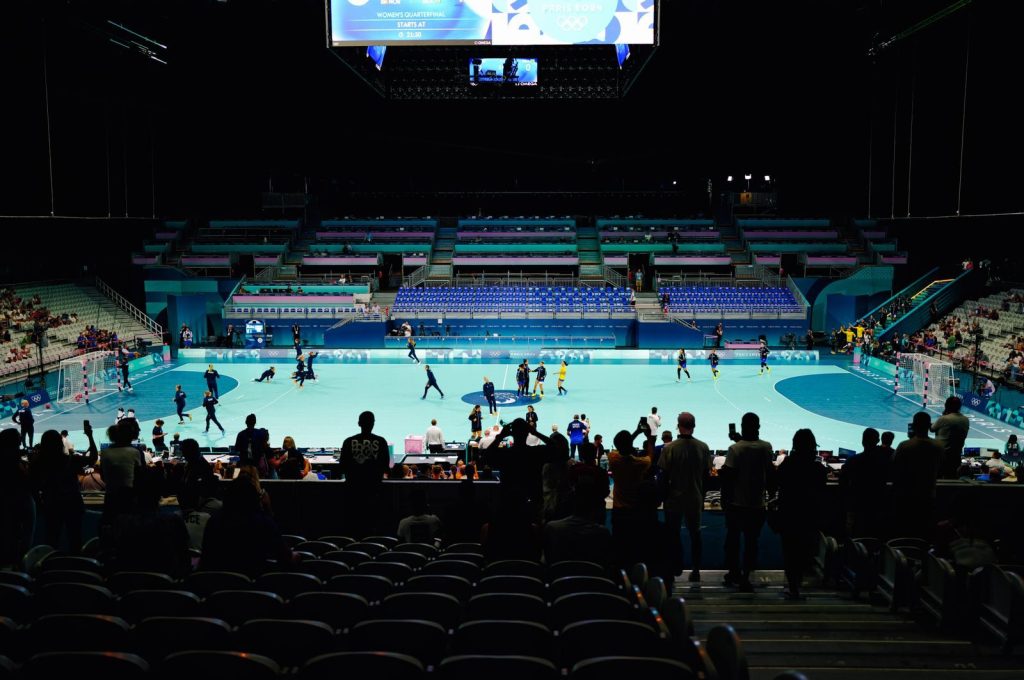
Spectators watching an indoor sports event in a stadium.
Indoor Sports Lighting
Uniform lighting solutions for basketball courts, volleyball gyms, badminton halls, and multi-purpose indoor sports facilities.
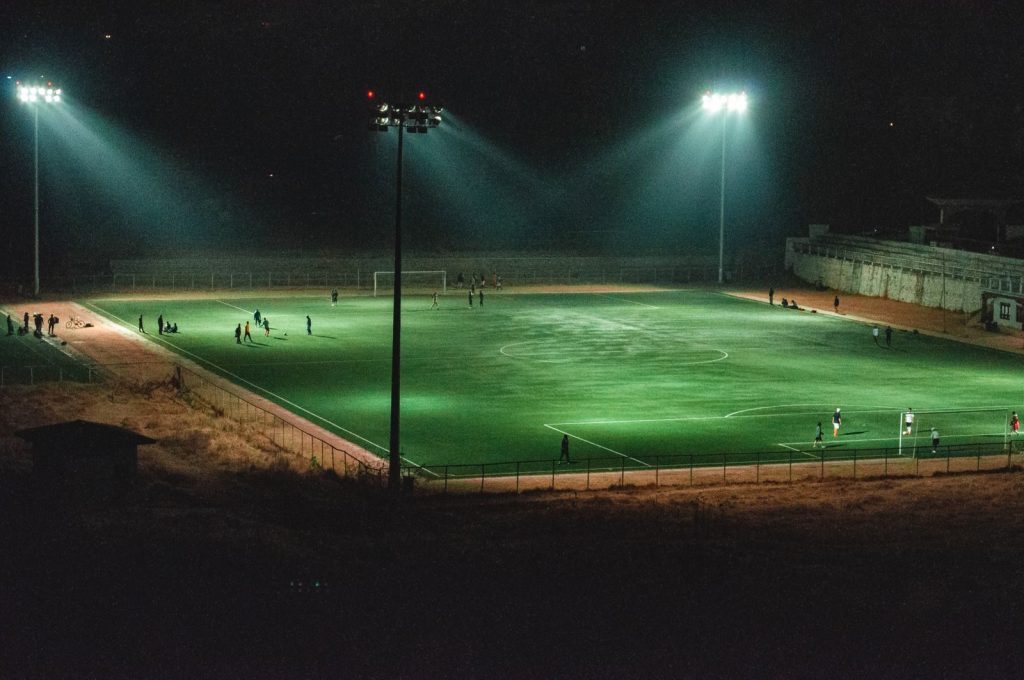
A vibrant nighttime soccer match in an illuminated stadium in Paro, Bhutan, captured from an elevated angle.
Sports Field Floodlights
Pole-mounted floodlighting systems providing wide-area illumination for outdoor training fields and competition venues.
Solar powered streetlights under a clear blue sky, emphasizing renewable energy.
Portable Sports Lighting
Mobile lighting towers designed for temporary events, construction projects, emergency lighting, and seasonal athletic programs.

Sports Lighting Selection Considerations

Choosing the appropriate sports lighting system requires evaluating sport-specific illumination needs, facility conditions, energy performance, installation requirements, maintenance costs, and long-term operating efficiency.

  • Sport Requirements
  • Required Lux Levels
  • Lighting Uniformity
  • Glare Control
  • Energy Efficiency
  • Pole Height & Fixture Placement
  • Weather Resistance
  • Maintenance Requirements
  • Total Cost of Ownership

Recommended Applications

Sports lighting systems are designed for facilities of different sizes, sports, and competition levels. Matching the lighting system to the venue helps improve visibility, safety, event quality, and long-term operational performance.

  • Schools
  • Universities
  • Municipal Sports Parks
  • Sports Clubs
  • Indoor Arenas
  • Outdoor Stadiums

Best Practices

Proper lighting design, professional installation, regular inspections, and preventive maintenance help improve athlete visibility, spectator experience, operational safety, energy efficiency, and system lifespan.

  • Select lighting based on sport-specific lux requirements.
  • Maintain uniform illumination across the playing area.
  • Minimize glare for athletes, officials, and spectators.
  • Use energy-efficient LED lighting where appropriate.
  • Inspect poles, fixtures, wiring, and control systems regularly.
  • Adjust lighting controls for training, competition, and events.
  • Replace damaged or underperforming fixtures promptly.
  • Follow manufacturer maintenance recommendations.

F.A.Q.

Sports lighting refers to illumination systems designed specifically for indoor and outdoor athletic facilities to provide safe visibility for athletes, officials, and spectators.

Common options include LED stadium lighting, indoor gym lighting, sports field floodlights, portable lighting towers, and high-mast lighting systems.

Selection depends on the sport, required illumination level (lux), facility size, energy efficiency goals, maintenance requirements, and available budget.

LED lighting provides higher energy efficiency, longer service life, lower maintenance costs, instant startup, and improved light quality compared with traditional lighting systems.

Lighting requirements vary depending on the sport and competition level. Professional venues generally require significantly higher illumination than recreational facilities.

Commercial sports lighting should be inspected regularly to verify electrical safety, fixture condition, pole stability, and lighting performance.

Lifespan depends on fixture quality, operating hours, weather exposure, electrical conditions, maintenance practices, and overall system design.

Yes. Sports lighting installations should comply with applicable electrical codes, structural requirements, and sports facility lighting standards to ensure safe operation.

Related Articles

Hello world!

Welcome to WordPress. This is your first post. Edit or delete it, then start writing!...