
Asset Management

Effective asset management helps sports facilities monitor equipment condition, optimize maintenance schedules, reduce operating costs, and extend the service life of valuable facility assets.

Asset Management Components

Effective asset management includes tracking equipment, monitoring condition, planning maintenance, and scheduling replacement throughout the asset lifecycle.
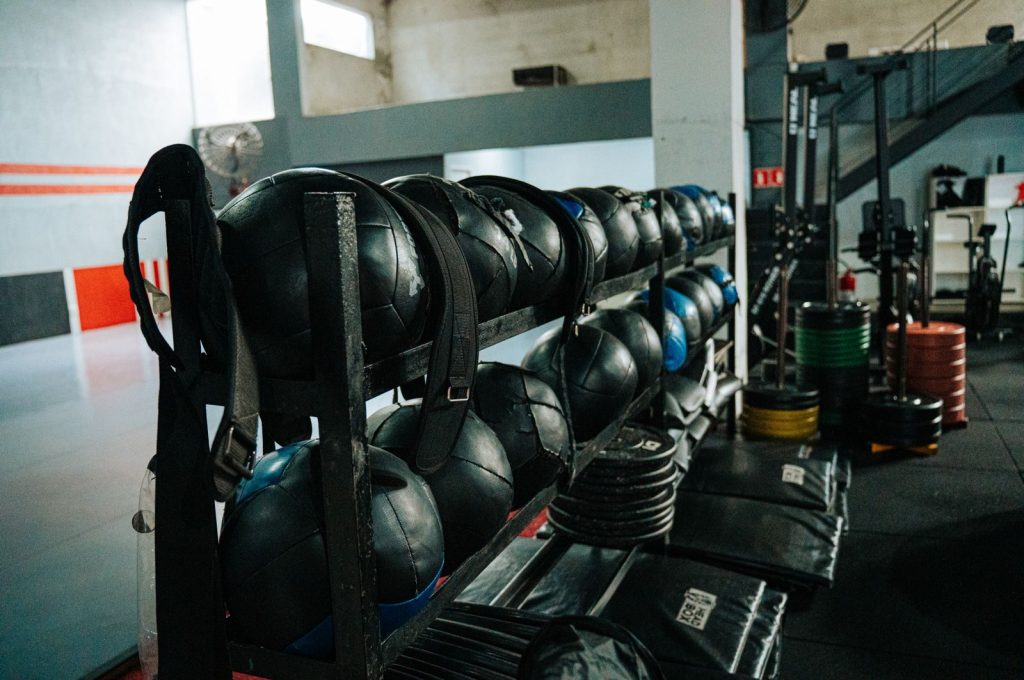
Well-equipped indoor gym featuring kettlebells, weights, and workout gear, perfect for fitness enthusiasts.
Equipment Inventory
Maintain accurate records of sports equipment, facility assets, and inventory for efficient tracking.
Industrial worker managing inventory in a warehouse with a clipboard and checklist.
Asset Tracking
Monitor equipment location, usage, and condition using inventory systems or asset tags.
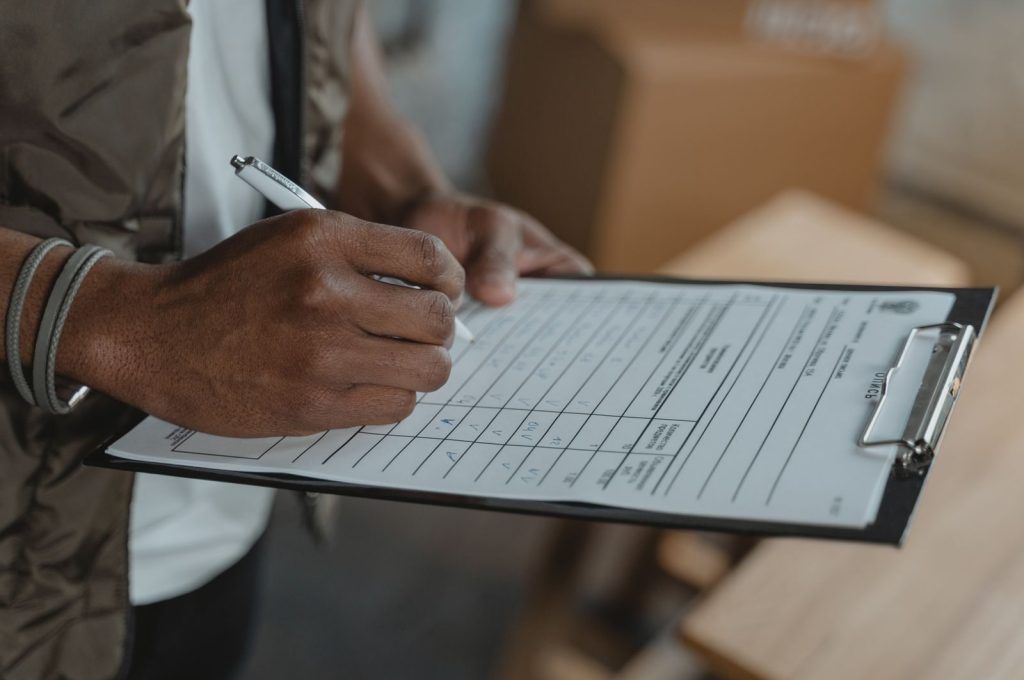
Close-up of person writing on form attached to clipboard, capturing the diligent process.
Preventive Maintenance
Schedule inspections and maintenance to reduce downtime and extend equipment lifespan.
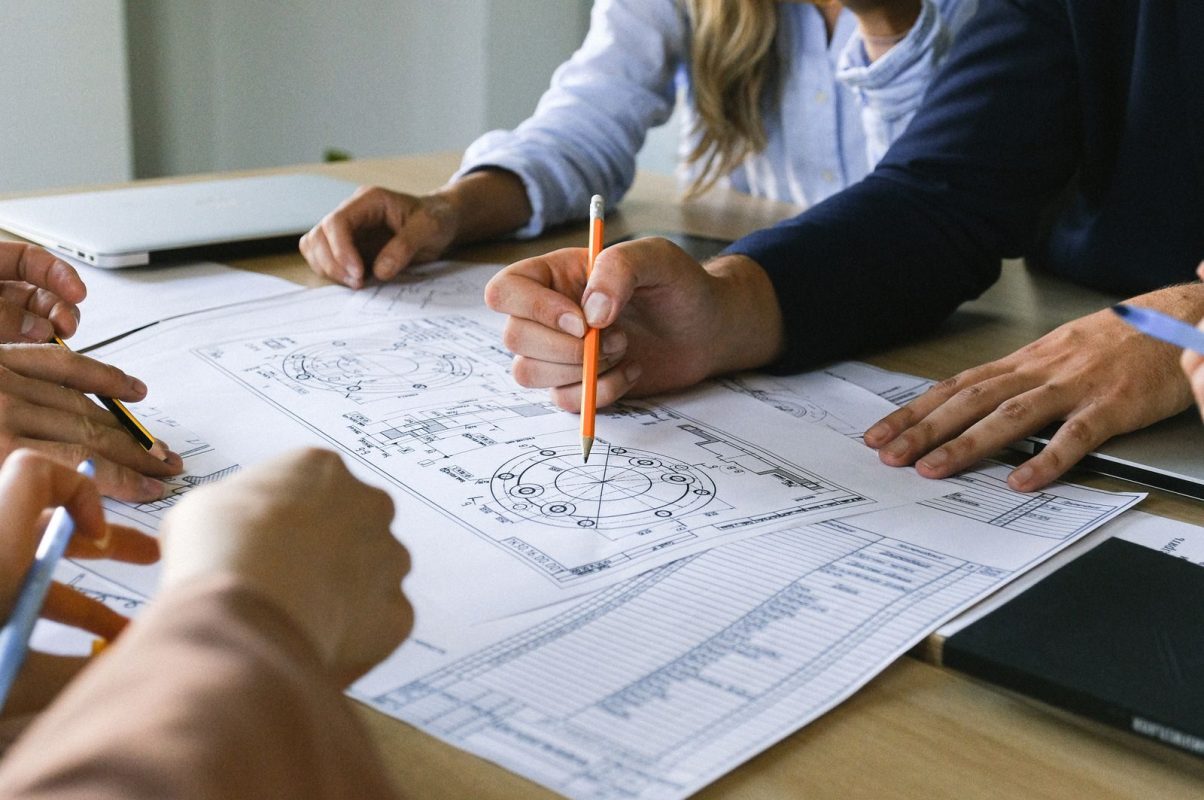
Group of crop anonymous colleagues gathering to discuss business project on papers at table
Lifecycle Planning
Evaluate asset age, performance, and replacement timing to support long-term budgeting.

Asset Management Considerations

Successful asset management programs should support operational efficiency, safety, and long-term financial planning.

  • Inventory accuracy
  • Equipment condition monitoring
  • Maintenance scheduling
  • Asset lifecycle tracking
  • Replacement planning
  • Warranty management
  • Budget forecasting
  • Regulatory documentation

Common Applications

Asset management systems are commonly used across sports facilities of all sizes.

  • Schools
  • Universities
  • Municipal Sports Facilities
  • Community Recreation Centers
  • Professional Training Facilities
  • Sports Clubs
  • Fitness Centers
  • Multi-Purpose Facilities

Best Practices for Asset Management

Proper asset management helps facilities improve equipment availability, reduce maintenance costs, and support informed purchasing decisions.
  • Create a complete equipment inventory.
  • Assign unique asset identification numbers.
  • Perform scheduled inspections.
  • Maintain digital maintenance records.
  • Track repair history and costs.
  • Plan equipment replacement before end-of-life.
  • Review inventory annually.
  • Use facility management software when appropriate.

F.A.Q.

Sports facility asset management is the process of tracking, maintaining, and managing equipment, furniture, infrastructure, and other facility assets throughout their operational lifecycle.

Effective asset management improves equipment reliability, reduces maintenance costs, extends service life, supports budgeting, and enhances facility safety.

Asset inventories typically include sports equipment, fitness machines, scoreboards, storage systems, seating, maintenance equipment, safety devices, and facility infrastructure.

Inspection frequency depends on equipment type and usage, but high-use assets should be checked regularly, while comprehensive inspections are commonly performed at least annually.

An asset lifecycle includes the stages of purchasing, installation, operation, maintenance, repair, replacement, and disposal of facility equipment.

Routine maintenance, accurate inventory tracking, and timely replacement planning help prevent unexpected failures, reduce emergency repairs, and improve budget control.

Many facilities use Computerized Maintenance Management Systems (CMMS), Enterprise Asset Management (EAM) platforms, or facility management software to track assets and maintenance activities.

Facilities should evaluate equipment age, condition, maintenance history, safety requirements, manufacturer recommendations, operating costs, and available budget before replacing assets.

Related Articles

Hello world!

Welcome to WordPress. This is your first post. Edit or delete it, then start writing!...