Cleaning & Maintenance

Regular cleaning and preventive maintenance help sports facilities maintain safe playing conditions, extend equipment lifespan, improve user experience, and reduce long-term operating costs.

Cleaning & Maintenance Areas

Routine cleaning and maintenance programs should cover all major areas of a sports facility to improve cleanliness, safety, and equipment performance.
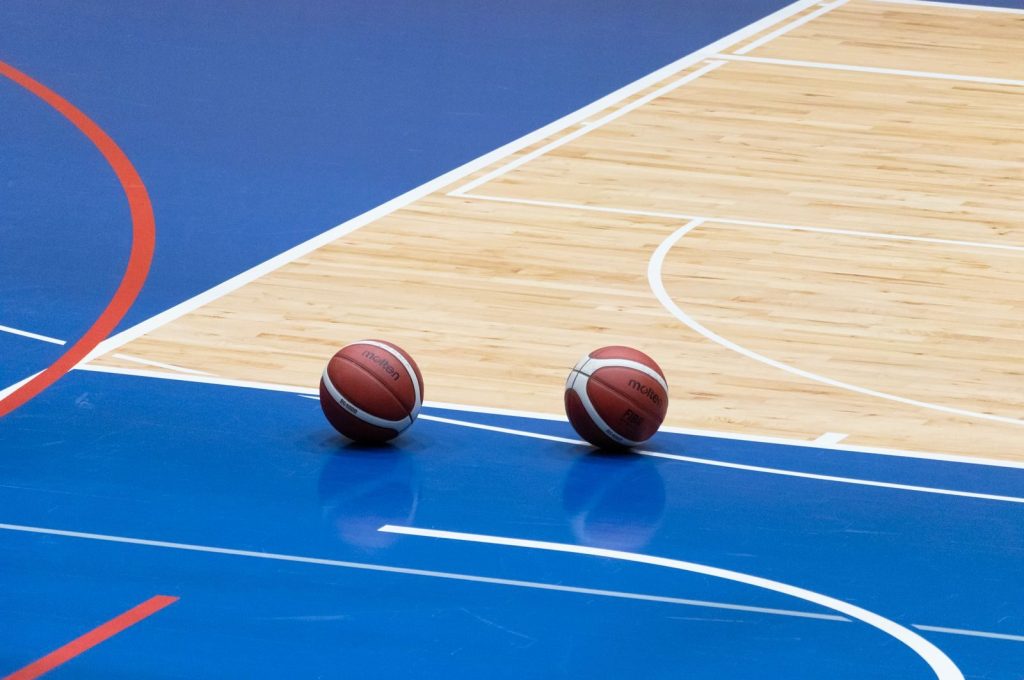
Two basketballs resting on a blue indoor basketball court with wooden flooring.
Playing Surfaces
Clean courts, tracks, turf, and athletic fields to maintain performance and safety.
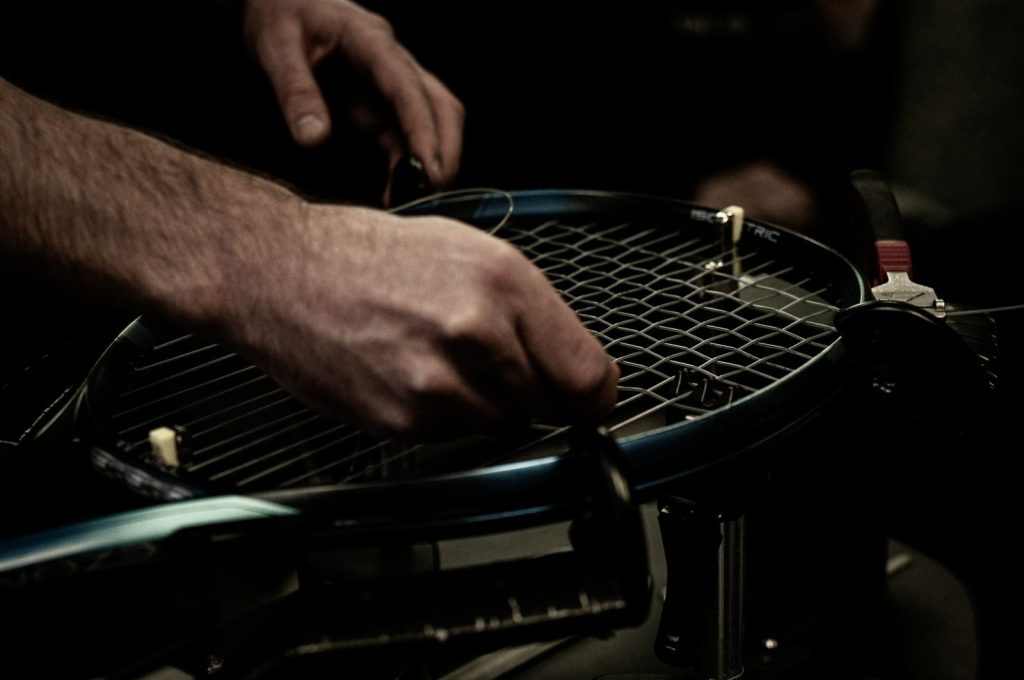
Close-up shot focused on precise stringing of a tennis racket, showing detailed craftsmanship.
Sports Equipment
Inspect, clean, and maintain sports equipment to extend service life.
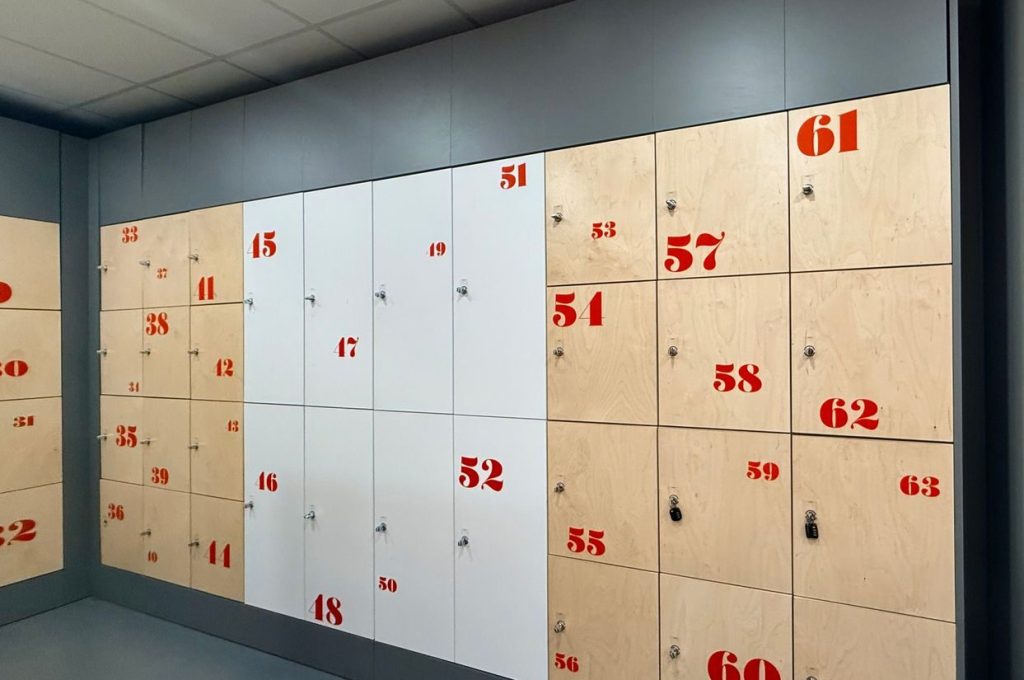
A row of modern wooden lockers with red numbers in a Finnish building.
Locker Rooms
Maintain hygienic locker rooms, showers, and changing areas through regular cleaning schedules.
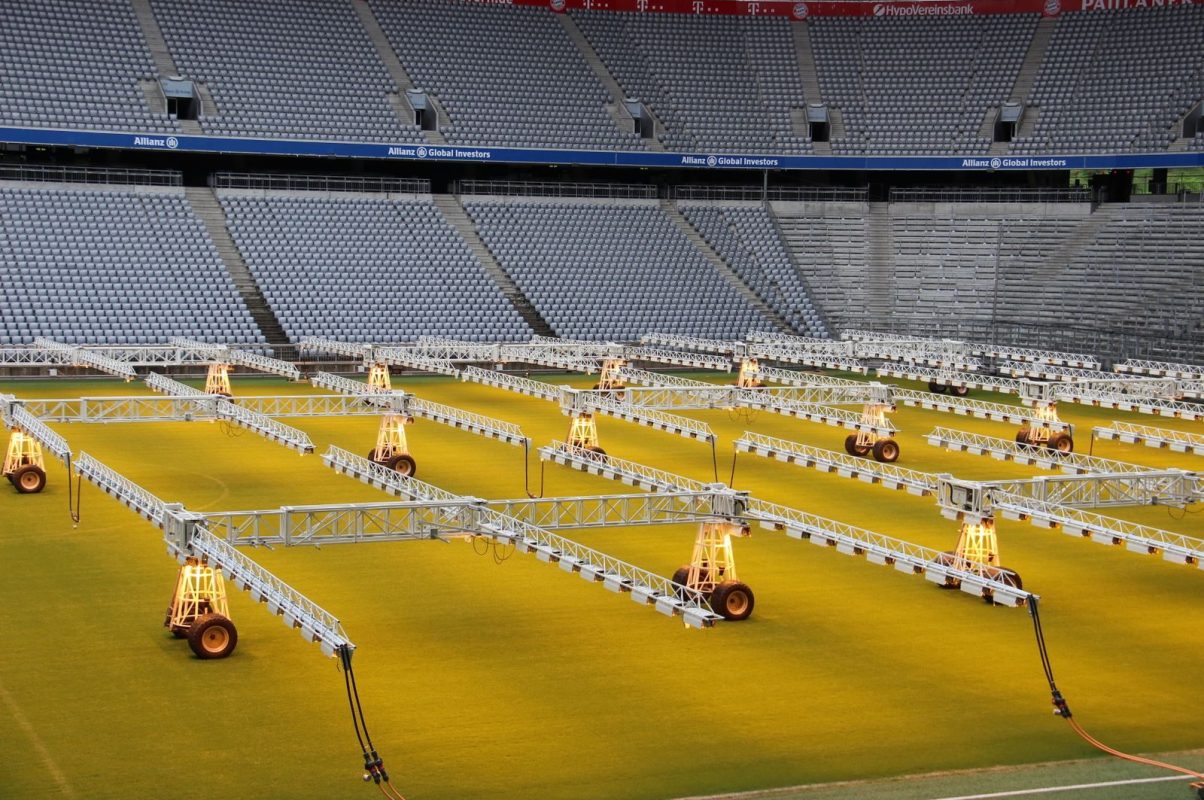
A modern stadium with artificial lighting rigs arranged on a football pitch, creating a unique visual.
Facility Systems
Maintain lighting, HVAC, ventilation, and other building systems for reliable daily operation.

Cleaning & Maintenance Considerations

An effective cleaning and maintenance program should support facility safety, equipment performance, and long-term operational efficiency through scheduled inspections and preventive care.

  • Routine cleaning schedules
  • Preventive maintenance planning
  • Equipment inspections
  • Playing surface maintenance
  • HVAC and ventilation servicing
  • Cleaning product selection
  • Maintenance documentation
  • Health and safety compliance

Common Applications

Cleaning and maintenance programs are essential for facilities that operate daily and serve athletes, students, and community users.

  • Schools
  • Universities
  • Sports Clubs
  • Fitness Centers
  • Community Recreation Centers
  • Municipal Sports Facilities
  • Indoor Arenas
  • Multi-Purpose Sports Complexes

Best Practices for Cleaning & Maintenance

Consistent cleaning and preventive maintenance help sports facilities maintain safe environments, improve equipment reliability, reduce repair costs, and support uninterrupted daily operations.

  • Develop daily, weekly, and seasonal cleaning schedules.
  • Inspect sports equipment before and after regular use.
  • Clean courts, floors, and athletic surfaces using appropriate methods.
  • Maintain HVAC systems and indoor air quality.
  • Repair damaged equipment promptly.
  • Keep maintenance records for inspections and repairs.
  • Train staff on proper cleaning procedures and safety protocols.
  • Review maintenance plans regularly to improve operational efficiency.

F.A.Q.

Regular cleaning helps reduce dirt, bacteria, and debris while providing a safer and more comfortable environment for athletes and visitors.

Common maintenance areas include playing surfaces, sports equipment, locker rooms, lighting systems, HVAC equipment, seating, and restrooms.

Cleaning frequency depends on facility usage, but high-traffic areas are typically cleaned daily, with deeper maintenance performed weekly or seasonally.

Preventive maintenance involves scheduled inspections and servicing to identify potential issues before equipment or facility systems fail.

Routine inspections, cleaning, lubrication, and timely repairs reduce wear, improve performance, and delay equipment replacement.

Facilities commonly use neutral floor cleaners, disinfectants, glass cleaners, equipment-safe cleaners, and surface-specific maintenance products.

Facilities should record inspection dates, maintenance tasks, repair history, equipment condition, and service schedules for future reference.

Scheduled maintenance improves safety, reduces unexpected breakdowns, lowers repair costs, supports compliance, and keeps facilities operating efficiently.

Related Articles

Hello world!

Welcome to WordPress. This is your first post. Edit or delete it, then start writing!...