
Court Maintenance

Regular court maintenance helps preserve playing surface quality, improve athlete safety, extend court lifespan, and reduce long-term maintenance costs for indoor and outdoor sports facilities.

Court Maintenance Areas

Proper court maintenance includes regular surface cleaning, inspections, repairs, and preventive maintenance to ensure consistent playing performance and facility safety.
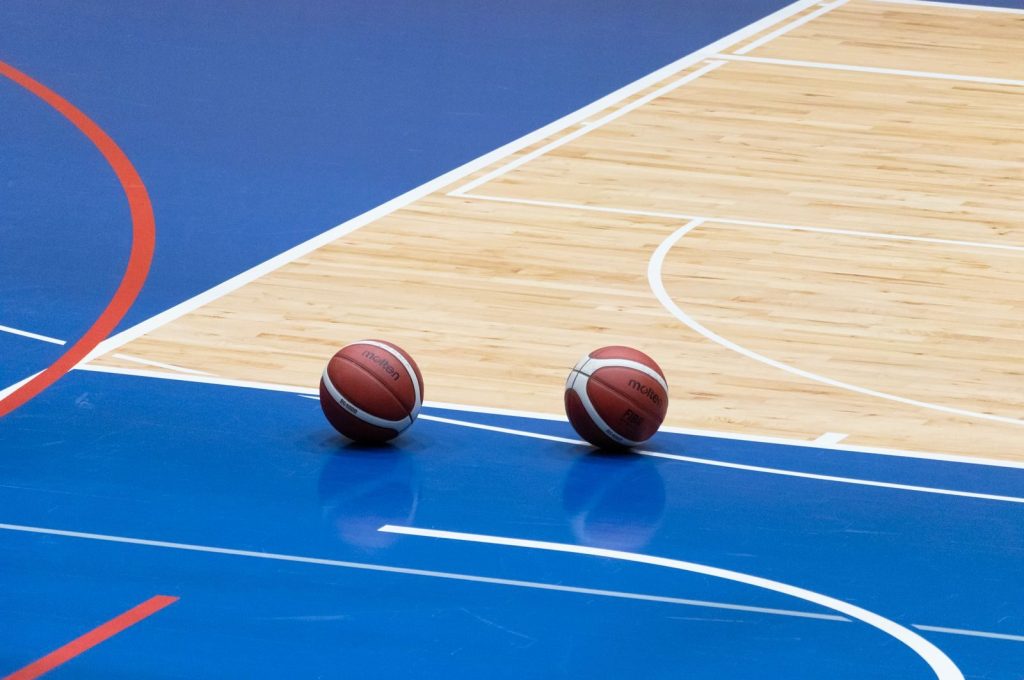
Two basketballs resting on a blue indoor basketball court with wooden flooring.
Indoor Courts
Maintain hardwood, vinyl, and synthetic indoor court surfaces through routine cleaning and refinishing.
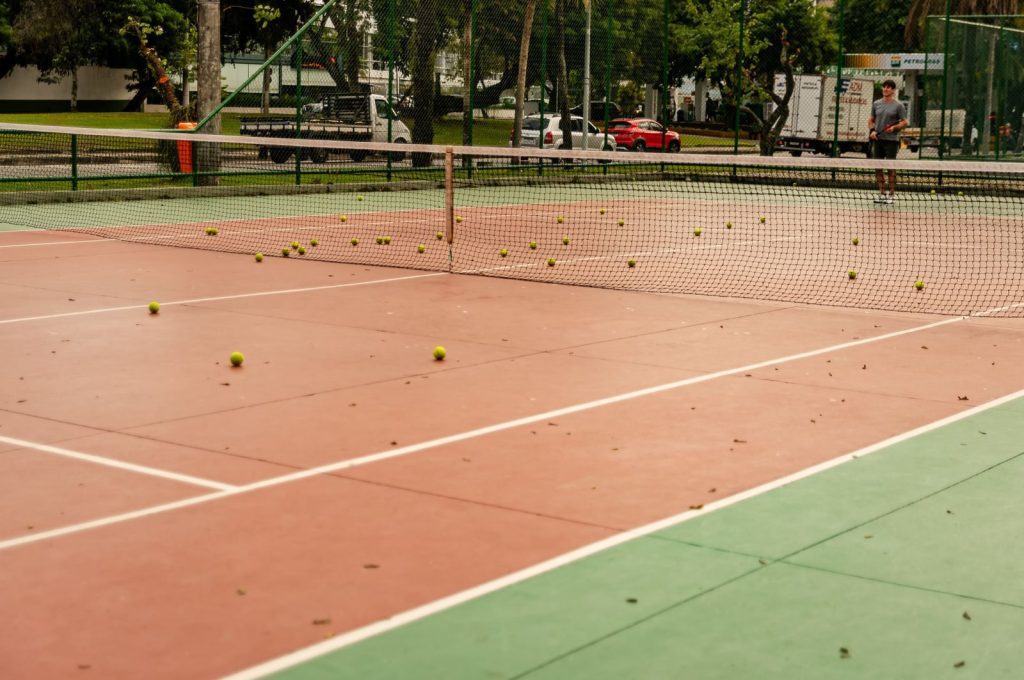
Tennis court with scattered tennis balls across the surface, ready for play.
Outdoor Courts
Protect outdoor courts through crack repair, pressure washing, resurfacing, and weather-related maintenance.
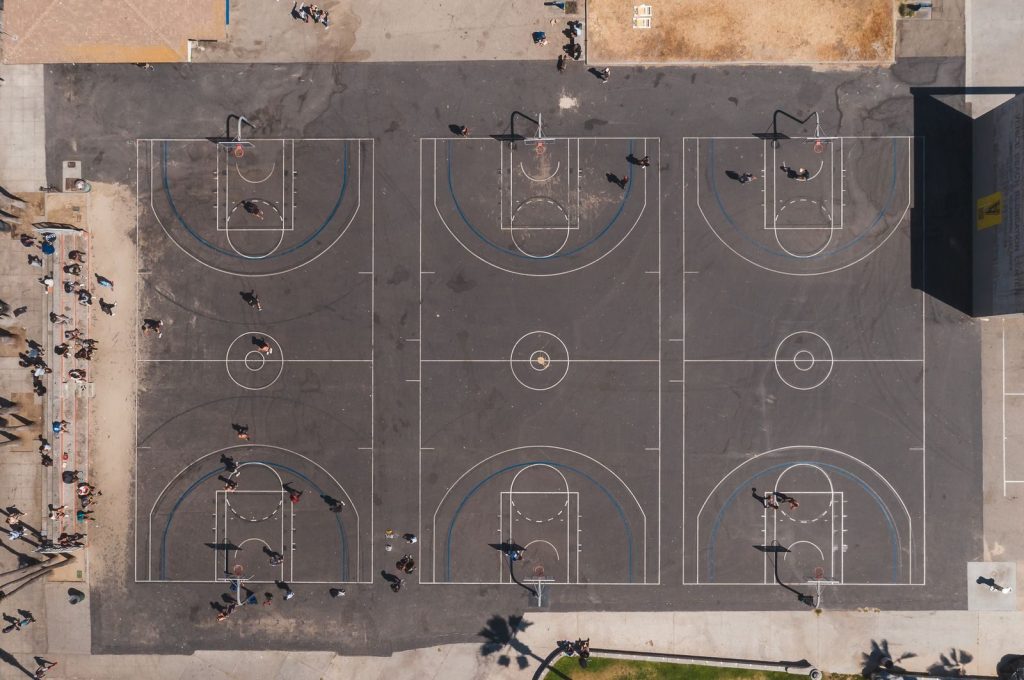
Drone shot of urban basketball courts, vibrant sports scene from above.
Court Surface Repair
Repair cracks, worn coatings, damaged lines, and surface imperfections before they become larger problems.
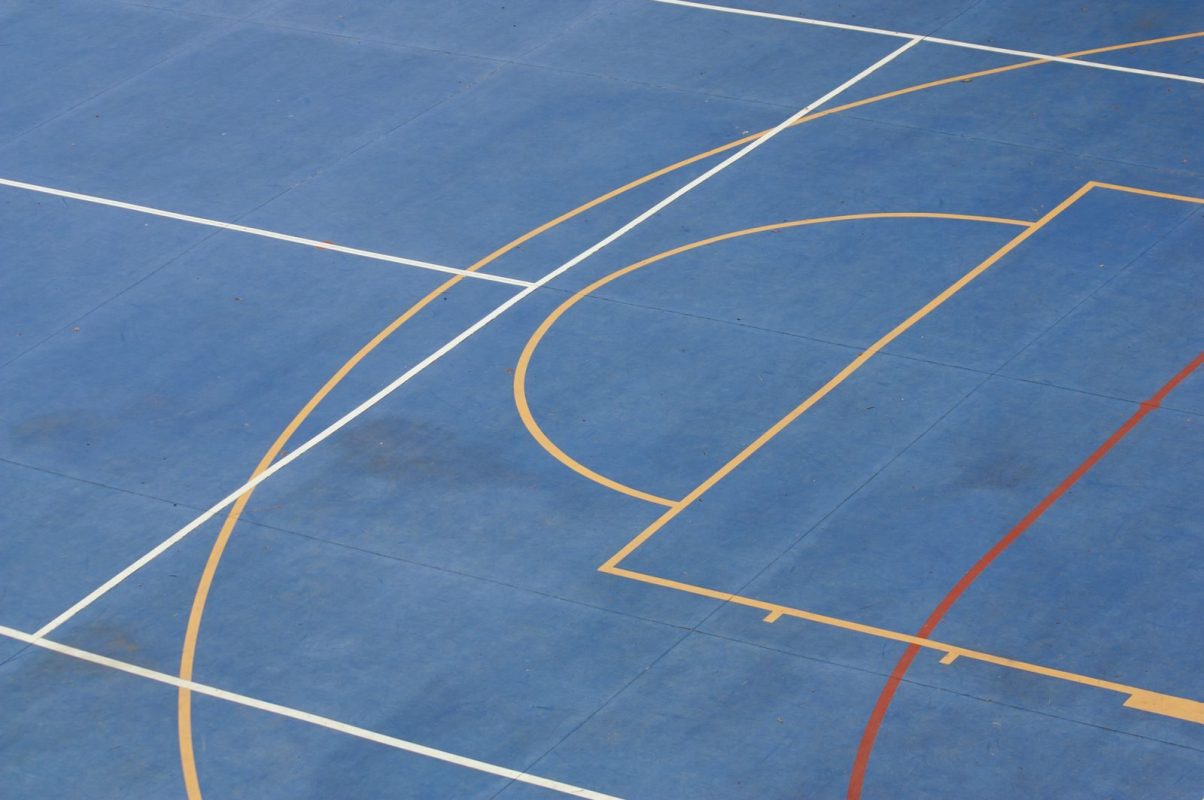
Close-up of a basketball court with colorful lines on a blue background.
Court Line Marking
Maintain accurate game markings through routine repainting and court layout inspections.

Court Maintenance Considerations

Effective court maintenance improves surface durability, player safety, and game performance while helping facilities reduce long-term maintenance costs.

  • Routine surface cleaning
  • Crack and damage inspections
  • Court resurfacing schedules
  • Line marking maintenance
  • Drainage management
  • Weather protection
  • Surface traction monitoring
  • Maintenance documentation

Common Applications

Court maintenance programs support facilities with indoor and outdoor playing surfaces that require consistent performance and safety.

  • Schools
  • Universities
  • Sports Clubs
  • Community Recreation Centers
  • Municipal Parks
  • Indoor Arenas
  • Tennis Centers
  • Pickleball Facilities

Best Practices for Court Maintenance

Routine inspections, proper cleaning methods, and scheduled resurfacing help sports courts remain safe, durable, and ready for consistent athletic performance.

  • Clean court surfaces regularly.
  • Inspect courts for cracks and uneven areas.
  • Repair minor damage before it worsens.
  • Maintain proper drainage around outdoor courts.
  • Repaint court lines as needed.
  • Monitor surface traction and wear patterns.
  • Schedule resurfacing based on usage.
  • Document inspections and maintenance activities.

F.A.Q.

Regular maintenance improves player safety, preserves surface quality, and extends court lifespan.

Indoor courts are typically cleaned daily or after heavy use, while outdoor courts are cleaned based on weather conditions and usage.

Most courts require resurfacing every few years depending on surface type, usage, and environmental exposure.

Temperature changes, moisture, ground movement, and heavy usage are common causes of surface cracking.

Routine cleaning, proper resurfacing, and timely repairs help maintain consistent surface traction.

Court markings should be inspected regularly and repainted whenever visibility or accuracy becomes compromised.

Indoor hardwood courts require regular cleaning, moisture control, periodic refinishing, and inspection for surface damage.

Preventive programs typically include inspections, cleaning, minor repairs, resurfacing planning, drainage checks, and maintenance documentation.

Related Articles

Hello world!

Welcome to WordPress. This is your first post. Edit or delete it, then start writing!...