
Facility Environment

A well-managed facility environment improves athlete comfort, indoor air quality, lighting performance, temperature control, and the overall experience for athletes, staff, and visitors.

Facility Environment Factors

Facility environments should provide comfortable, safe, and healthy conditions that support athletic performance, operational efficiency, and visitor satisfaction.
Young athletes playing ice hockey in a spacious indoor arena, showcasing teamwork.
Indoor Air Quality
Maintain clean air through proper ventilation, filtration, and HVAC system management.
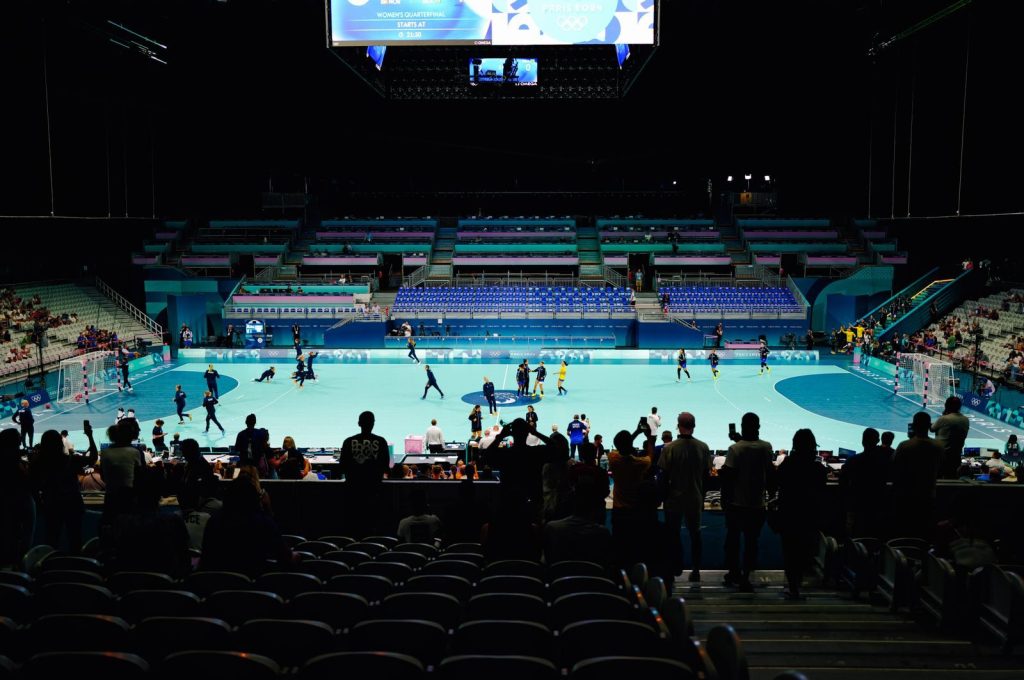
Spectators watching an indoor sports event in a stadium.
Lighting Conditions
Provide consistent lighting levels that improve visibility, comfort, and safety.
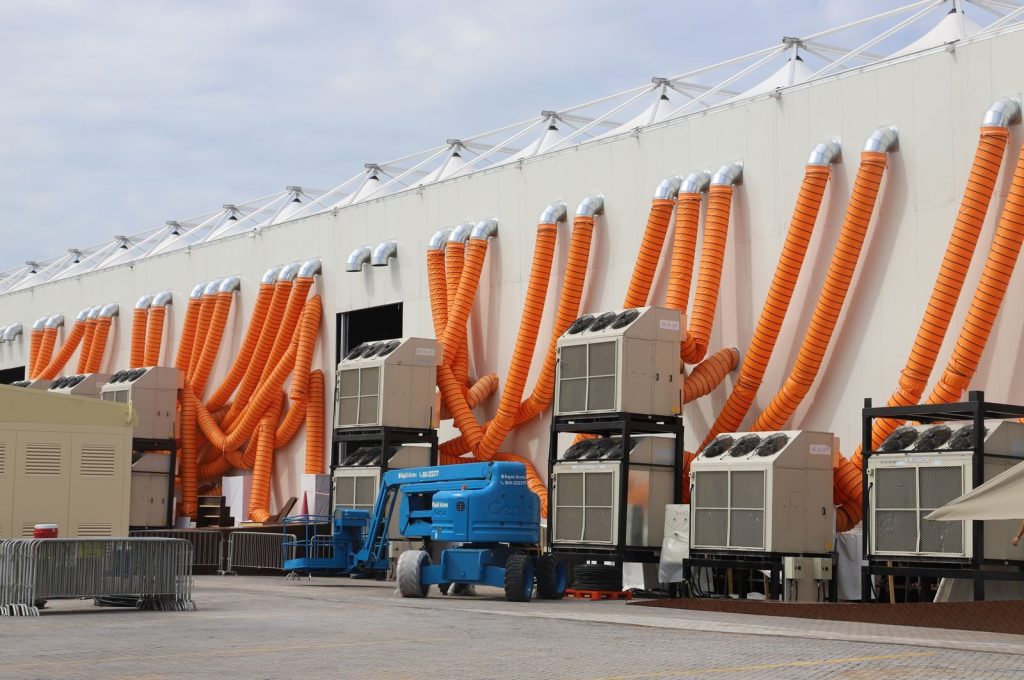
Modern industrial cooling units with striking orange ducts outside a building.
Temperature & Ventilation
Maintain comfortable temperatures and balanced airflow throughout the facility.
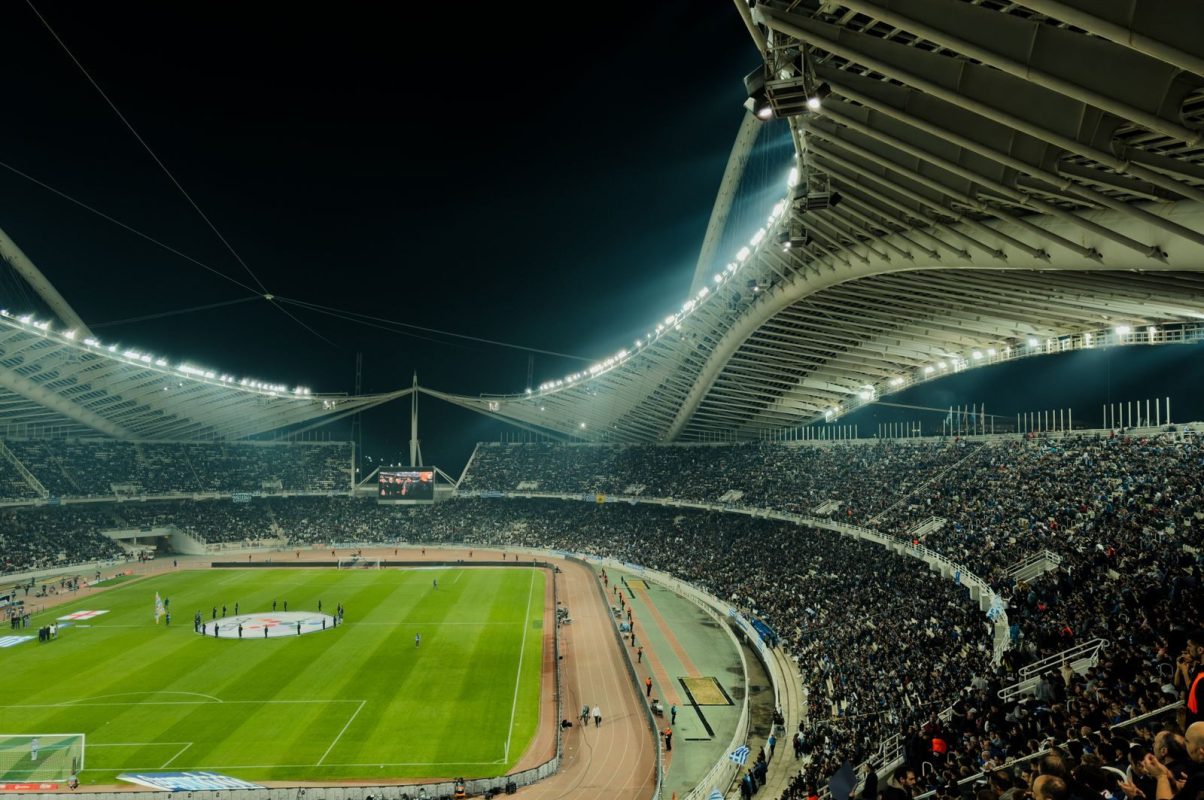
A crowded soccer stadium under bright lights at night, capturing the excitement of a live sports event.
Noise Management
Reduce excessive noise levels to improve communication and overall user experience.

Facility Environment Considerations

Maintaining a comfortable facility environment improves athlete performance, visitor satisfaction, equipment protection, and overall operational quality across indoor sports facilities.

  • Indoor air quality management
  • Lighting performance
  • Temperature control
  • Ventilation efficiency
  • Humidity management
  • Noise reduction
  • Environmental monitoring
  • Routine facility inspections

Common Applications

Facility environment management supports sports facilities that require comfortable and consistent indoor conditions for athletes, staff, and visitors.

  • Schools
  • Universities
  • Indoor Sports Complexes
  • Community Recreation Centers
  • Municipal Sports Facilities
  • Fitness Centers
  • Training Facilities
  • Multi-Purpose Arenas

Best Practices for Facility Environment

Proper environmental management improves indoor comfort, enhances safety, supports equipment performance, and creates a better experience for athletes and visitors.

  • Monitor indoor air quality regularly.
  • Maintain consistent lighting levels.
  • Inspect HVAC systems on a routine schedule.
  • Control indoor temperature and humidity.
  • Reduce unnecessary background noise.
  • Improve ventilation throughout the facility.
  • Maintain clean indoor spaces.
  • Review environmental performance regularly.

F.A.Q.

A well-managed environment improves athlete comfort, safety, indoor air quality, and the overall user experience.

Key factors include lighting, air quality, temperature, humidity, ventilation, and noise levels.

Facilities can improve air quality through proper ventilation, filtration systems, regular HVAC maintenance, and routine cleaning.

Proper lighting improves visibility, supports athletic performance, enhances safety, and creates a better experience for players and spectators.

HVAC systems should maintain comfortable temperature ranges while controlling humidity to protect both athletes and facility equipment.

Acoustic materials, proper building design, and equipment maintenance can help minimize excessive noise.

Lighting, HVAC, ventilation, and other environmental systems should be inspected regularly as part of preventive maintenance programs.

Environmental monitoring helps identify issues early, improves operational efficiency, supports occupant comfort, and reduces long-term maintenance costs.

Related Articles

Hello world!

Welcome to WordPress. This is your first post. Edit or delete it, then start writing!...