


Facility Management

Effective facility management helps sports organizations coordinate daily operations, optimize resources, improve maintenance planning, and ensure safe, efficient, and reliable facility performance.

Facility Management Responsibilities

Facility management combines daily operations, maintenance coordination, staffing, and resource planning to support safe and efficient sports facility operations.
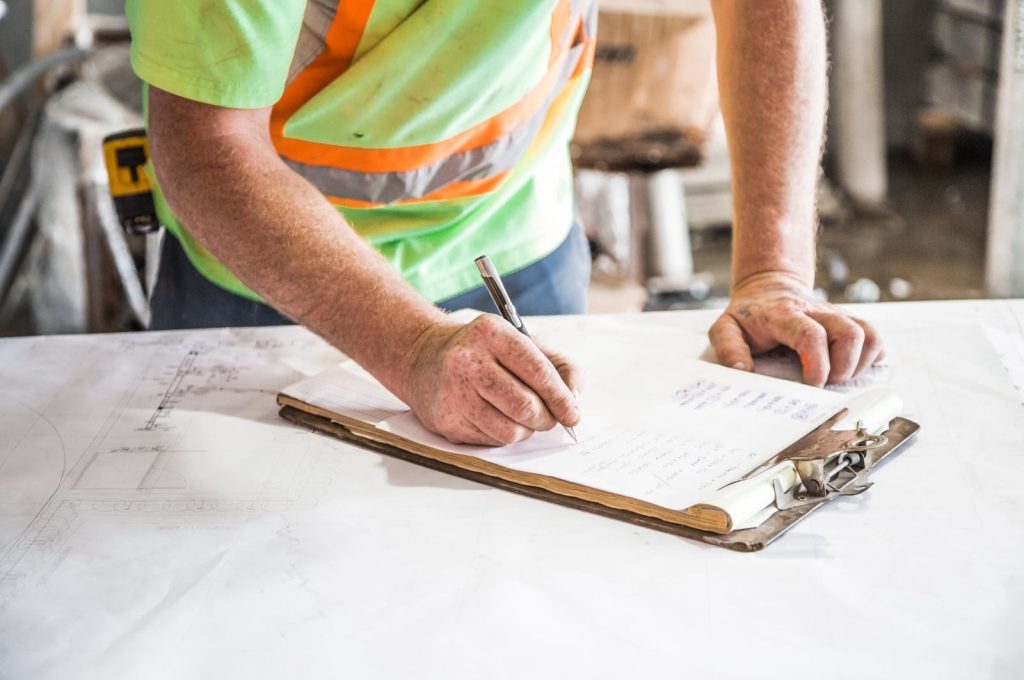
A construction worker writes notes on a clipboard at a construction site, emphasizing planning and precision.
Daily Operations
Coordinate daily facility activities, opening procedures, inspections, and operational workflows.
Close-up of a woman planning her schedule on a desk calendar in an office setting.
Maintenance Planning
Plan preventive maintenance, inspections, and repair schedules to maximize equipment availability.
Colleagues in a productive meeting at a modern office, fostering teamwork and collaboration.
Staff Coordination
Manage maintenance teams, contractors, security personnel, and operational staff.
Team collaborating on architectural plans, showcasing teamwork and planning in an office setting.
Resource Management
Manage budgets, equipment, facility resources, and vendor services for efficient operations.

Facility Management Considerations

Effective facility management supports safe operations, efficient resource utilization, and long-term facility performance through coordinated planning and daily operational oversight.

  • Daily operational planning
  • Preventive maintenance scheduling
  • Staff coordination
  • Vendor management
  • Budget planning
  • Equipment availability
  • Risk management
  • Performance monitoring

Common Applications

Facility management practices support organizations responsible for operating indoor and outdoor sports facilities of all sizes.

  • Schools
  • Universities
  • Community Recreation Centers
  • Municipal Sports Facilities
  • Sports Clubs
  • Fitness Centers
  • Training Facilities
  • Professional Sports Venues

Best Practices for Facility Management

Strong facility management combines effective planning, routine inspections, staff coordination, and preventive maintenance to improve operational efficiency, safety, and long-term facility performance.

  • Develop standardized operating procedures.
  • Schedule routine facility inspections.
  • Coordinate maintenance activities proactively.
  • Monitor equipment performance regularly.
  • Maintain accurate operational records.
  • Manage vendor relationships effectively.
  • Review operational performance continuously.
  • Update emergency response procedures regularly.

F.A.Q.

Sports facility management involves planning, operating, maintaining, and supervising sports venues to ensure safe, efficient, and reliable daily operations.

Facility managers oversee operations, maintenance, staffing, budgets, vendor coordination, safety, and long-term facility planning.

Preventive maintenance helps reduce unexpected equipment failures, extends asset lifespan, and improves operational reliability.

Facilities can improve efficiency through standardized procedures, preventive maintenance, staff coordination, and performance monitoring.

Plans typically include maintenance schedules, staffing procedures, inspections, emergency planning, budgets, and operational policies.

Routine inspections should be performed regularly based on facility usage, equipment type, and safety requirements.

Managers schedule contractor services, monitor work quality, manage service agreements, and review vendor performance.

Many facilities use CMMS software, building management systems, scheduling platforms, digital inspections, and asset management tools.

Related Articles

Hello world!

Welcome to WordPress. This is your first post. Edit or delete it, then start writing!...