
Safety Regulations

Understand safety regulations for sports facilities, athletic equipment, recreational environments, and training spaces. Review safety requirements, inspection practices, risk management strategies, and compliance considerations that support safe facility operations and injury prevention.

Safety Regulations Categories

Safety regulations help organizations reduce risks, improve facility operations, and maintain safe environments for athletes, staff, and visitors. Understanding these categories supports schools, universities, municipalities, recreation centers, and sports facilities in developing comprehensive safety management programs.
An empty indoor ice rink with colorful seats, bright overhead lights, and a clear ice surface.
Facility Safety
Review safety requirements for gymnasiums, stadiums, courts, fields, tracks, locker rooms, and public recreation facilities.
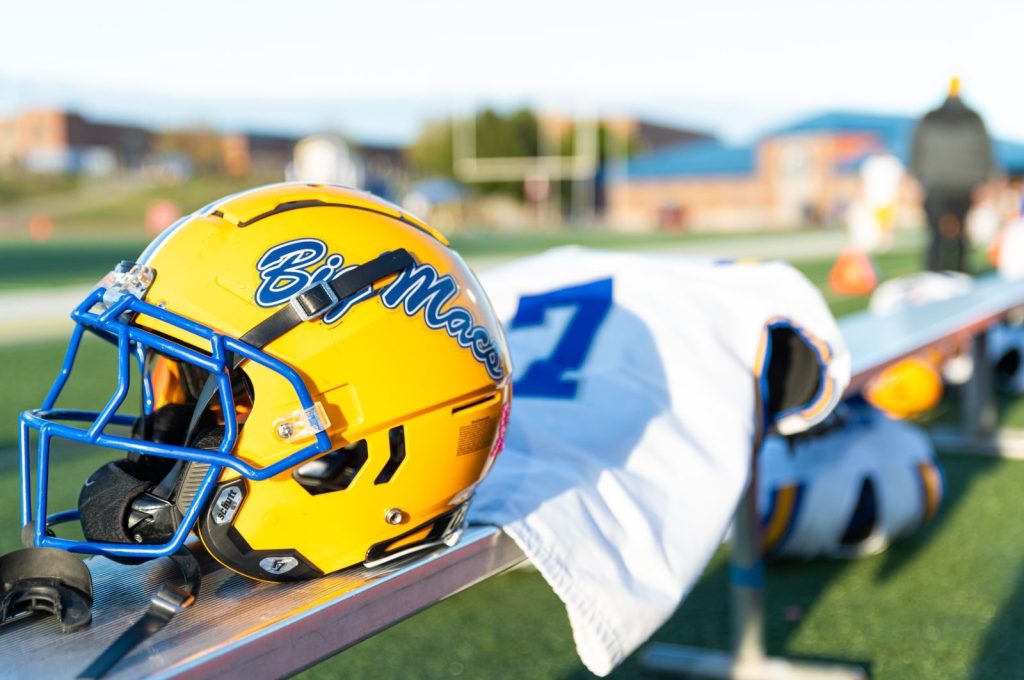
A yellow football helmet with blue highlights rests on a sports bench, ready for the game.
Equipment Safety
Understand equipment inspection practices, maintenance requirements, protective equipment, and safe installation procedures.
Corporate team discussing strategies at a desk with laptops and documents.
Risk Management
Explore hazard identification, injury prevention, emergency planning, incident reporting, and operational risk reduction.
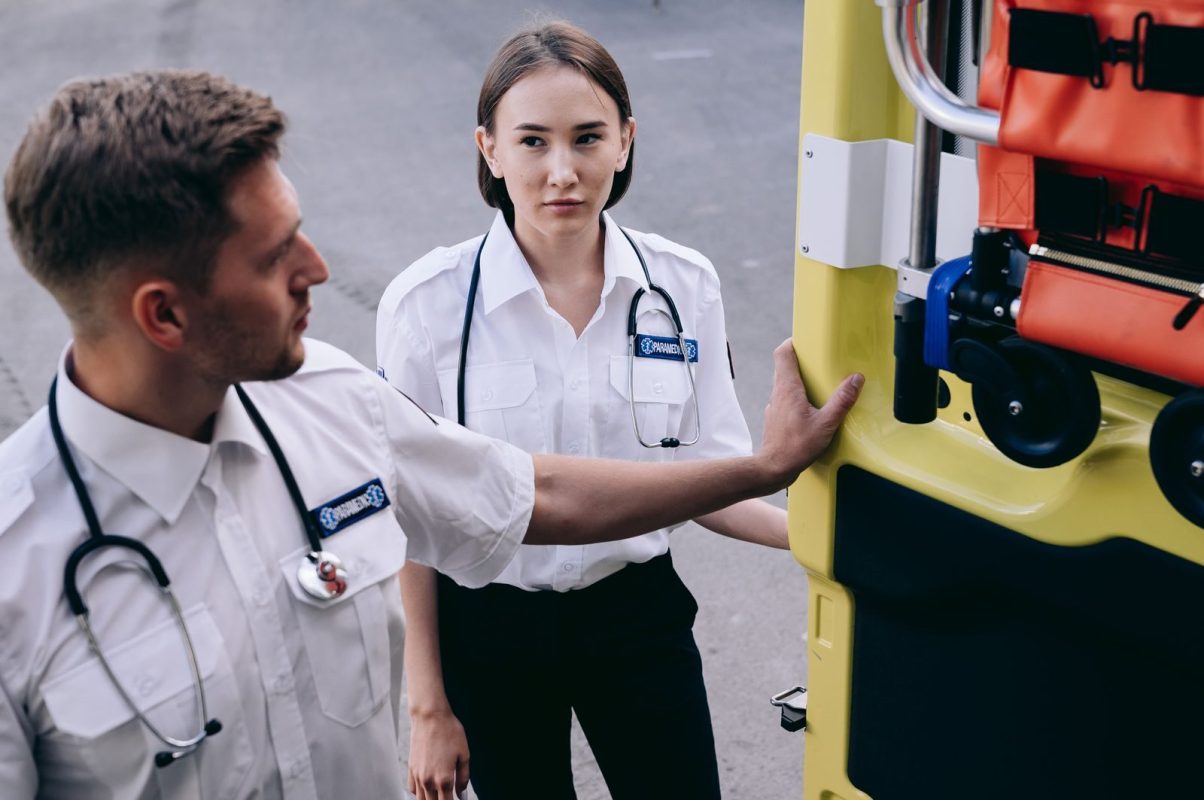
Two paramedics in uniform prepare an ambulance for emergency response, demonstrating teamwork.
Emergency Preparedness
Learn about emergency action plans, evacuation procedures, first aid readiness, staff training, and emergency response planning.

Key Safety Requirements

Safety regulations provide practical guidance for sports facilities, athletic equipment, and recreational environments. Applying consistent safety practices helps organizations reduce operational risks, improve facility management, and create safer experiences for athletes, staff, and visitors.

  • Routine facility safety inspections
  • Sports equipment inspection and maintenance
  • Hazard identification and risk assessments
  • Emergency action planning
  • Protective equipment requirements
  • Safe installation and maintenance procedures
  • Incident reporting and corrective actions
  • Staff safety training and documentation
  • Routine compliance reviews
  • Long-term safety management planning

Benefits of Safety Regulations

Following recognized safety regulations helps organizations improve facility safety, reduce operational risks, support regulatory compliance, and protect athletes, staff, and visitors. A proactive safety program also contributes to more efficient facility management and long-term operational reliability.

  • Improve facility safety
  • Reduce operational risks
  • Support regulatory compliance
  • Improve equipment reliability
  • Strengthen emergency preparedness
  • Protect athletes, staff, and visitors
  • Support long-term facility management
  • Promote safer recreational environments

Planning Considerations

Safety regulations should be integrated into facility planning, equipment selection, inspections, renovations, and ongoing operations. Regular reviews and preventive maintenance help organizations reduce risks, improve emergency preparedness, and maintain safe sports environments.

  • Develop facility safety inspection schedules.
  • Implement routine equipment maintenance programs.
  • Identify potential hazards before facility use.
  • Establish emergency response procedures.
  • Provide staff safety training and documentation.
  • Review safety policies and operational procedures regularly.

F.A.Q.

Safety regulations are guidelines and requirements that help organizations maintain safe sports facilities, equipment, and recreational environments.

They reduce operational risks, improve athlete and visitor safety, support facility management, and encourage consistent maintenance practices.

Schools, universities, municipalities, recreation centers, sports clubs, athletic facilities, and event organizers all benefit from following appropriate safety practices.

Sports equipment, protective equipment, goals, nets, fitness equipment, seating, lighting, and other facility infrastructure should be inspected according to manufacturer recommendations and organizational policies.

Facilities should conduct routine inspections before major events, after severe weather when applicable, and on a regular maintenance schedule appropriate for the facility.

Emergency contacts, evacuation procedures, first aid resources, staff responsibilities, communication protocols, and incident response procedures.

They help organizations incorporate safety considerations into facility design, equipment selection, operations, maintenance, and long-term management.

Organizations can reference applicable regulations, sport governing bodies, manufacturer recommendations, risk management resources, and local safety requirements.

Related Articles

Hello world!

Welcome to WordPress. This is your first post. Edit or delete it, then start writing!...