Maintenance & Inspection
Maintain sports facilities and equipment through preventive maintenance, routine inspections, condition monitoring, repair planning, and lifecycle management to improve safety, reliability, and long-term operational performance.
Maintenance & Inspection Overview
Maintenance and inspection programs help sports facilities maximize equipment lifespan, reduce unexpected failures, improve operational safety, and support consistent facility performance through scheduled inspections and preventive maintenance activities.

Preventive Maintenance
Perform scheduled maintenance activities to reduce equipment wear, improve reliability, and minimize unexpected failures.
Routine Inspections
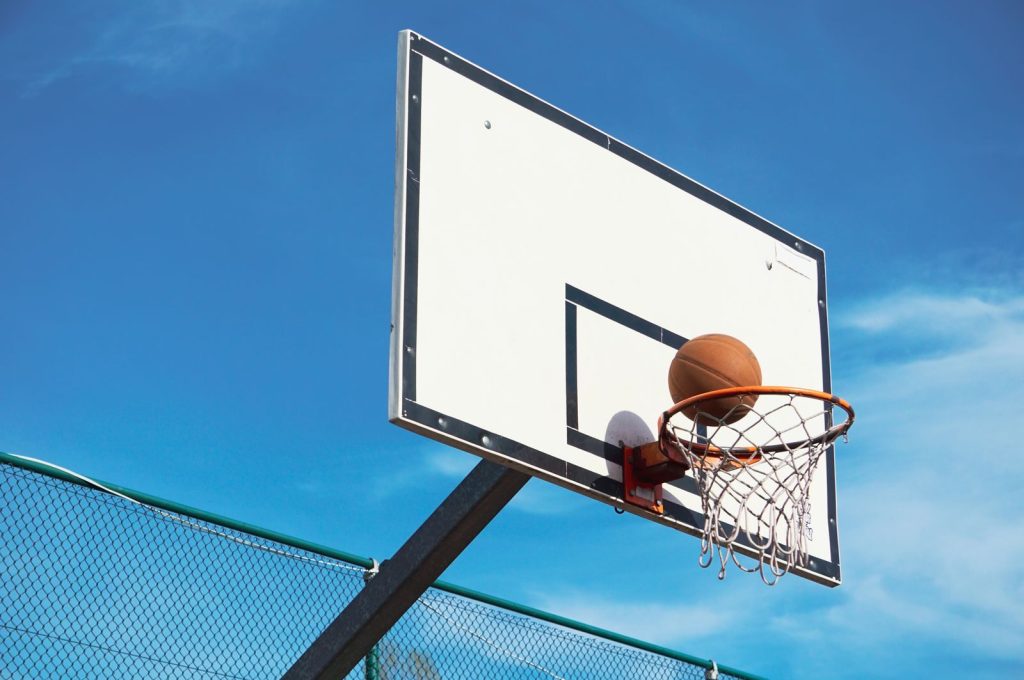
Inspect equipment and facility components regularly to identify defects, damage, and safety concerns before they become operational risks.

Repair Management
Document maintenance needs, schedule repairs, and verify completed work to maintain safe operating conditions.
Lifecycle Monitoring
Monitor equipment condition, maintenance history, and replacement schedules throughout the equipment lifecycle.
Maintenance & Inspection Programs
Effective maintenance and inspection programs combine preventive maintenance, routine inspections, corrective repairs, condition monitoring, documentation, and lifecycle planning to improve facility safety and operational performance.
- Preventive maintenance programs
- Routine inspection schedules
- Corrective maintenance procedures
- Equipment condition monitoring
- Repair documentation
- Maintenance work orders
- Lifecycle management
- Maintenance record keeping
- Replacement planning
- Performance evaluations
Maintenance Planning Considerations
Maintenance planning should consider equipment age, usage frequency, environmental conditions, manufacturer recommendations, available resources, and operational priorities when developing inspection and maintenance schedules.
- Equipment age and condition
- Usage frequency
- Indoor and outdoor environments
- Manufacturer recommendations
- Maintenance budgets
- Inspection frequency
- Staff availability
- Replacement priorities
- Seasonal maintenance requirements
- Operational downtime planning
Maintenance & Inspection Best Practices
Organizations should establish preventive maintenance schedules, perform regular inspections, document maintenance activities, and monitor equipment performance to improve long-term operational efficiency.
- Follow preventive maintenance schedules
- Inspect equipment before use
- Document maintenance activities
- Prioritize safety-related repairs
- Replace worn components promptly
- Maintain service records
- Review maintenance performance
- Train maintenance personnel
- Monitor equipment lifecycle
- Update maintenance plans regularly
F.A.Q.
What is preventive maintenance?
Preventive maintenance consists of scheduled servicing, inspections, cleaning, lubrication, and adjustments performed before equipment failures occur to improve reliability and extend service life.
Why are maintenance and inspections important?
Routine maintenance and inspections help identify problems early, reduce safety risks, minimize downtime, improve equipment performance, and support regulatory compliance.
How often should sports equipment be inspected?
Inspection frequency depends on equipment type, usage levels, manufacturer recommendations, environmental conditions, and organizational maintenance policies.
What should be included in a maintenance program?
Maintenance programs typically include inspection schedules, preventive maintenance procedures, repair documentation, equipment records, replacement planning, and performance monitoring.
Who is responsible for maintenance and inspections?
Facility managers, maintenance personnel, athletic directors, equipment managers, and qualified service providers all contribute to maintaining safe and reliable sports facilities.
How should maintenance activities be documented?
Maintenance records should include inspection dates, completed repairs, replacement parts, service history, responsible personnel, and follow-up actions.
When should equipment be repaired or replaced?
Equipment should be repaired or replaced when inspections identify structural damage, excessive wear, performance issues, or safety concerns that cannot be resolved through routine maintenance.
What are the benefits of preventive maintenance?
Preventive maintenance reduces unexpected failures, improves equipment lifespan, lowers repair costs, enhances operational efficiency, and helps maintain safe sports environments.
Related Articles
Hello world!
Welcome to WordPress. This is your first post. Edit or delete it, then start writing!…
Read More