Baseball Equipment
Comprehensive baseball equipment guide for schools, parks and recreation departments, sports clubs, universities, and commercial athletic facilities. Compare equipment categories, specifications, purchasing considerations, facility planning, and maintenance requirements.
Baseball Equipment Overview
Baseball equipment includes bats, baseballs, gloves, batting helmets, protective gear, bases, pitching equipment, field maintenance tools, training aids, and facility accessories. Selecting the right equipment depends on player age, competition level, field requirements, durability, and long-term purchasing objectives.
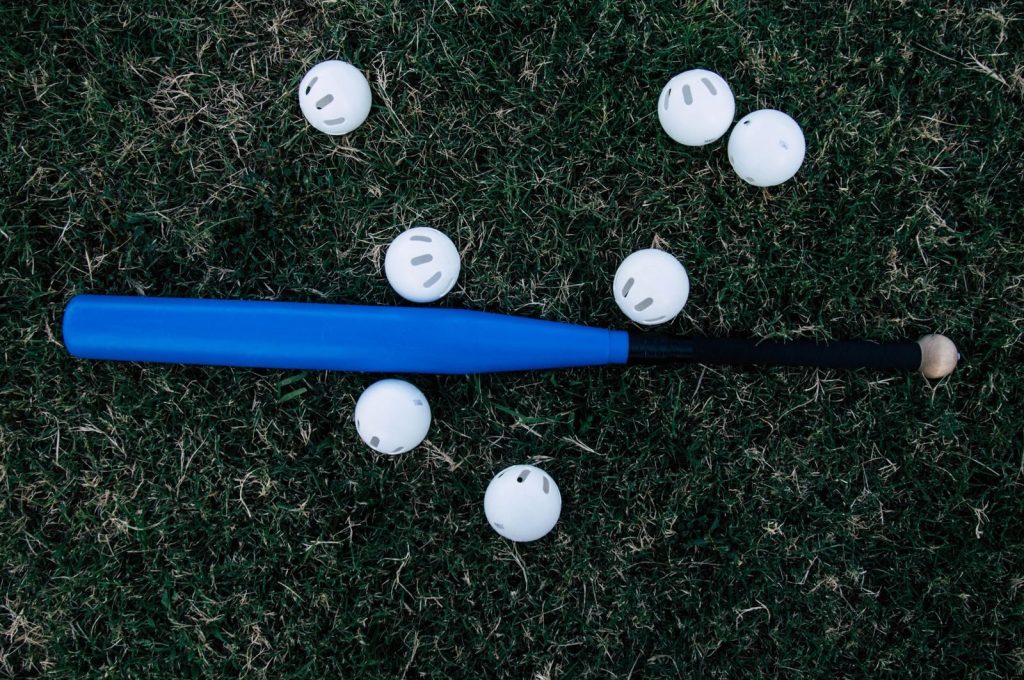
Baseball Bats
Compare wood, aluminum, and composite baseball bats based on league regulations, player development, durability, and performance requirements.

Baseballs
Select practice, training, or official game baseballs according to age group and competition standards.
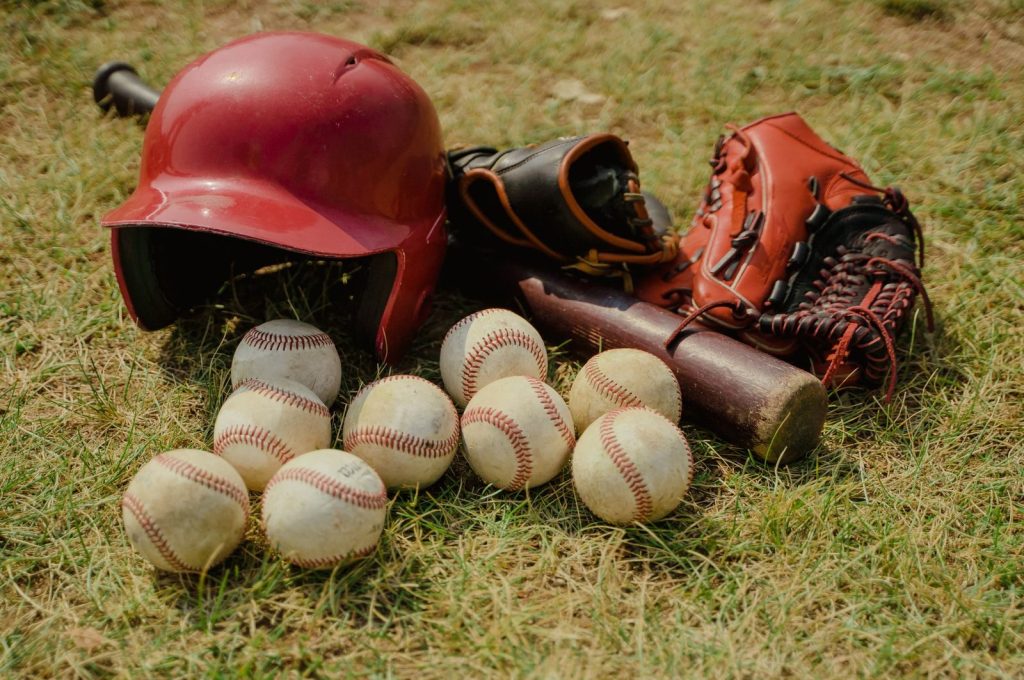
Protective Equipment
Choose batting helmets, catcher’s gear, face guards, and protective accessories for improved player safety.
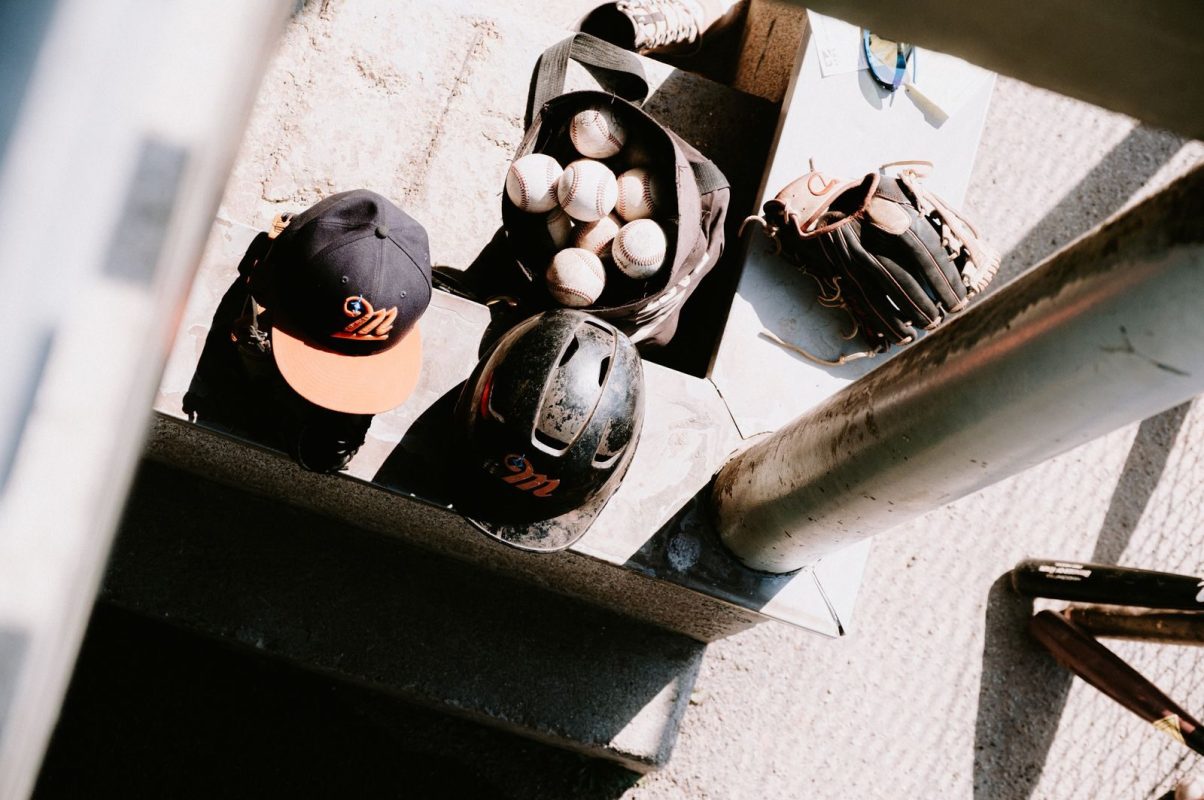
Training Equipment
Develop hitting, pitching, fielding, and throwing skills using specialized baseball training equipment.
Equipment Categories
Baseball programs require complete equipment systems that include player equipment, protective gear, training tools, field equipment, storage solutions, and maintenance supplies. Purchasing compatible equipment improves operational efficiency, player safety, and long-term equipment management.
- Baseball Bats
- Baseballs
- Gloves & Mitts
- Batting Helmets
- Catcher’s Equipment
- Batting Cages
- Training Equipment
- Field Maintenance Equipment
Equipment Selection Considerations
Equipment purchasing decisions should consider player age, league regulations, field conditions, expected usage frequency, product durability, maintenance requirements, and long-term replacement planning.
- Player Age
- League Regulations
- Training or Competition
- Equipment Certification
- Product Durability
- Storage Requirements
- Maintenance Needs
- Budget Planning
Baseball Equipment Best Practices
Selecting quality baseball equipment improves player safety, equipment longevity, operational efficiency, and long-term budget planning. Schools, municipalities, recreation centers, and sports clubs should establish equipment inspection schedules, maintenance procedures, inventory management practices, and replacement plans to maximize equipment value.
- Select league-approved equipment
- Inspect bats and helmets regularly
- Replace damaged baseballs and gloves
- Maintain catcher’s protective equipment
- Store equipment in dry environments
- Inspect field equipment routinely
- Purchase from trusted suppliers
- Plan annual equipment replacement
- Compare lifecycle costs
- Maintain equipment inventory records
F.A.Q.
What equipment is required for a baseball program?
A baseball program typically requires bats, baseballs, gloves, batting helmets, catcher’s protective equipment, bases, pitching equipment, field maintenance tools, training aids, scoreboards, storage equipment, and other facility accessories. The specific equipment needed depends on the age group, competition level, and facility type.
How do I choose the right baseball bat?
Baseball bat selection should consider player age, league regulations, bat material, barrel diameter, length-to-weight ratio, and intended level of play. Recreational, school, and competitive programs often have different equipment requirements.
What is the difference between wood, aluminum, and composite baseball bats?
Wood bats are commonly used in professional play and skill development, aluminum bats provide durability and consistent performance, while composite bats are designed to reduce vibration and improve swing performance. League regulations often determine which bat types are permitted.
What protective equipment is recommended for baseball players?
Recommended protective equipment includes batting helmets, catcher’s helmets, chest protectors, leg guards, athletic cups, face guards, and protective field screens. Equipment should comply with applicable league or organizational safety standards.
What equipment should schools and sports facilities purchase?
Schools and sports facilities generally purchase complete equipment packages that include player equipment, practice equipment, field accessories, batting cages, pitching screens, storage carts, maintenance equipment, and replacement supplies for seasonal programs.
How often should baseball equipment be inspected or replaced?
Baseballs, batting helmets, catcher’s gear, and bats should be inspected regularly for wear, cracks, loose components, and damage. Replacement schedules depend on equipment usage, storage conditions, manufacturer recommendations, and organizational safety policies.
How should baseball equipment be maintained?
Baseball equipment should be cleaned after use, stored in dry and ventilated environments, inspected before each season, and repaired or replaced when damaged. Proper maintenance helps extend equipment life and improve player safety.
What factors should buyers consider before purchasing baseball equipment?
Buyers should evaluate player age, competition level, facility requirements, product durability, maintenance needs, equipment certifications, warranty coverage, replacement costs, supplier reliability, and long-term budget planning before making purchasing decisions.
Related Articles
Hello world!
Welcome to WordPress. This is your first post. Edit or delete it, then start writing!…
Read More