Explore Recreation Center Resources
Access recreation management guides, facility operations resources, equipment maintenance checklists, facility scheduling tools, program planning references, and community recreation best practices.
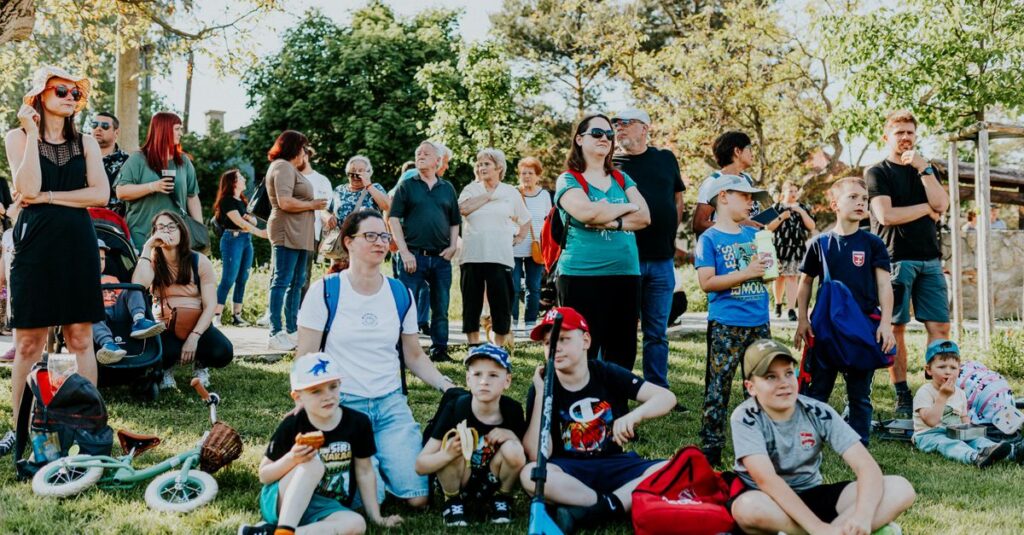
Recreation centers provide accessible spaces that promote physical activity, community wellness, and lifelong participation. Effective management supports safe facilities, quality programs, and positive experiences for visitors of all ages.
Successful recreation centers balance facility management, equipment maintenance, scheduling, staffing, and community programming to deliver reliable recreational services throughout the year.
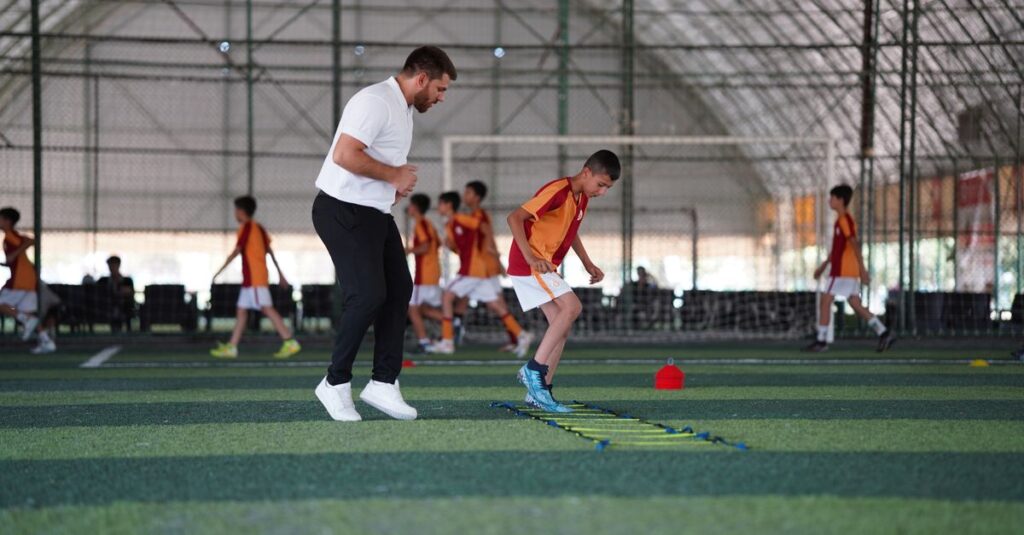
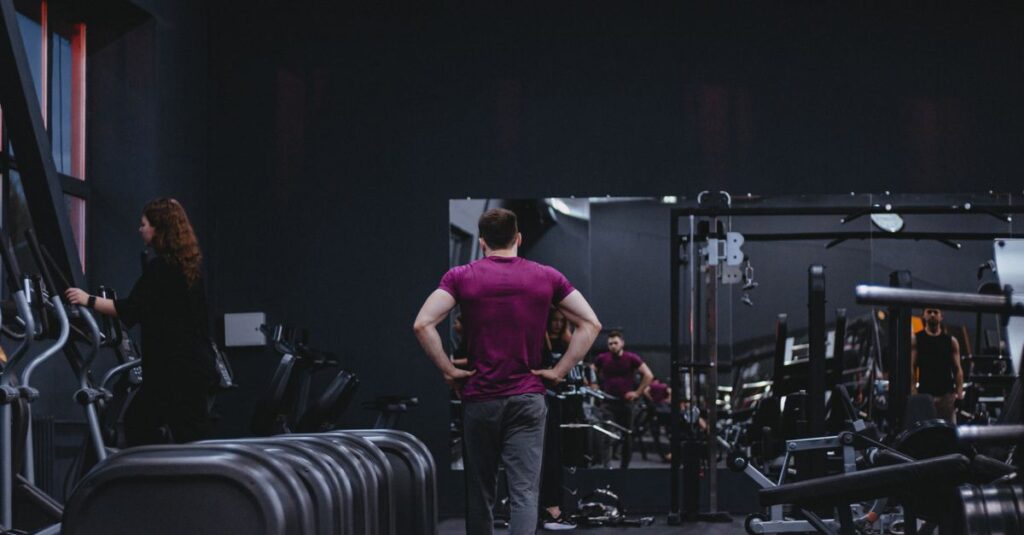
Recreation centers commonly offer sports facilities, fitness spaces, community programs, youth activities, wellness classes, recreational leagues, special events, and public gathering spaces that support healthy lifestyles and community engagement.
Daily operations include facility scheduling, staffing, equipment inspections, cleaning, maintenance, visitor services, safety monitoring, and program coordination to ensure efficient and reliable service.
Participation can be increased by offering diverse programs, flexible schedules, affordable memberships, family activities, youth sports, senior wellness programs, and partnerships with local schools and community organizations.
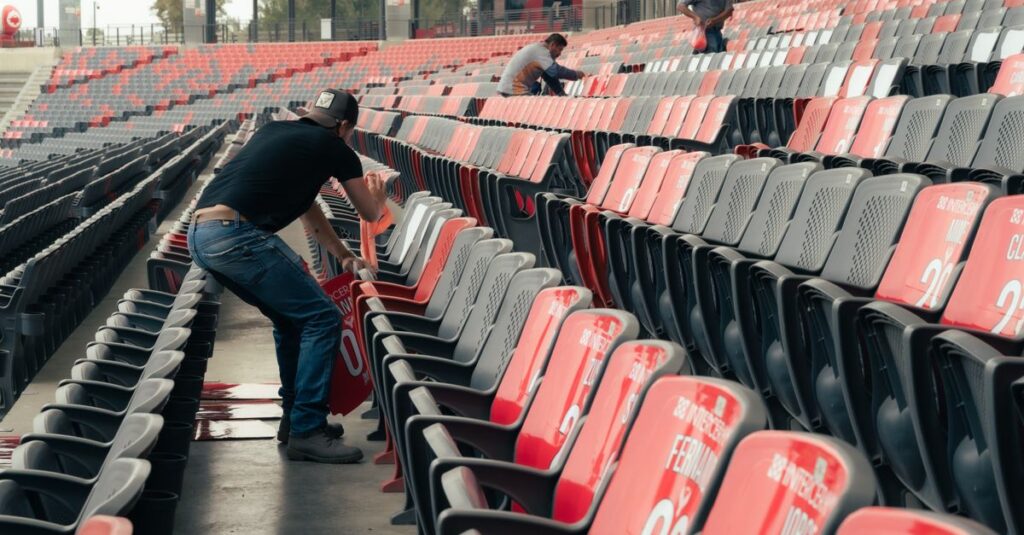
Regular equipment inspections, preventive maintenance, inventory management, and timely replacement improve safety, reduce downtime, and support consistent program delivery.
Scheduling should balance sports leagues, fitness classes, open recreation, community events, maintenance activities, and seasonal programming while maximizing facility availability.
Centers should maintain regular equipment inspections, emergency procedures, staff training, accessibility compliance, first aid readiness, and preventive maintenance programs to support safe public use.
Visitor satisfaction improves through clean facilities, organized programs, friendly staff, reliable schedules, quality equipment, accessible services, and responsive communication.
Recreation centers encourage healthy lifestyles through physical activity, fitness programs, youth development, social interaction, wellness education, and accessible recreational opportunities.
Preventive maintenance extends equipment life, reduces repair costs, minimizes service interruptions, improves safety, and protects long-term facility investments.
Success can be evaluated using participation rates, facility utilization, program enrollment, visitor satisfaction, maintenance performance, operational efficiency, and community feedback.