
Schools

Support K–12 schools with physical education, extracurricular athletics, sports facility management, equipment procurement, student safety, and school athletics operations.

School Athletics Resources

Schools provide physical education, extracurricular sports, and student wellness programs that require effective planning, equipment management, facility maintenance, and long-term program development.
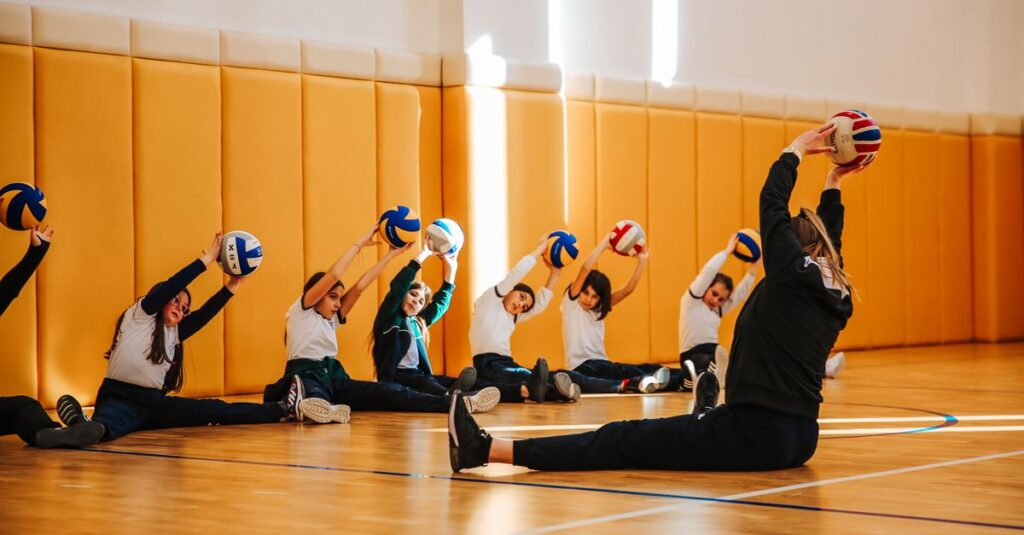
Group of children practicing volleyball stretches in a spacious indoor gym with a coach.
Physical Education
Support curriculum planning, PE equipment selection, classroom activities, student fitness programs, and age-appropriate physical education resources.
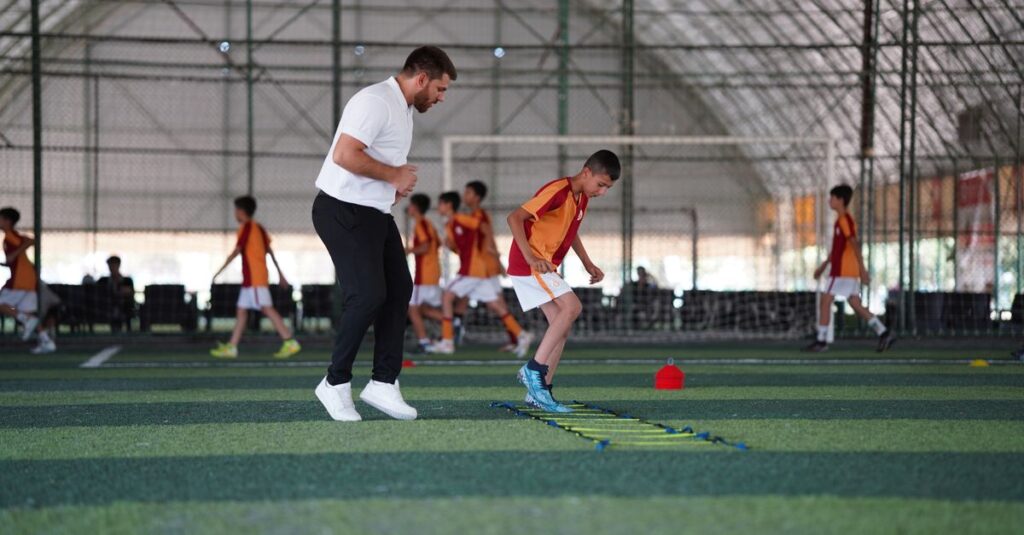
A young boy trains under a coach in a structured soccer practice indoors.
School Sports Programs
Manage school teams, after-school athletics, seasonal sports, coaching resources, and student participation programs.
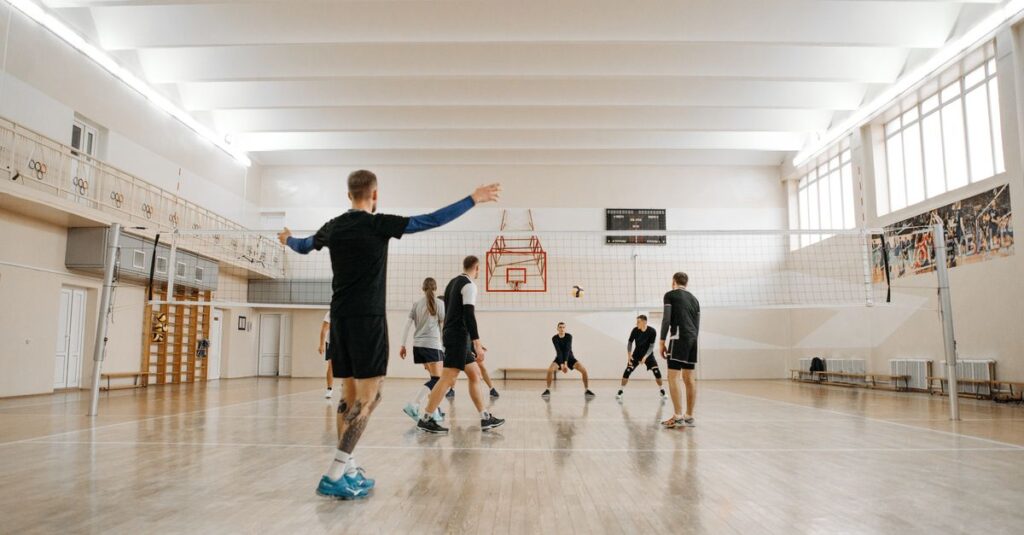
Energetic volleyball practice session with a mixed team indoors. Perfect for sports training themes.
Equipment & Facilities
Maintain gymnasiums, athletic fields, playgrounds, sports equipment, storage systems, and inspection schedules that support safe learning environments.
A coach instructing a diverse group of children during a gym class in a school sports hall.
Student Safety
Promote student safety through equipment inspections, supervision practices, emergency preparedness, and sports safety guidelines.

School Athletics Objectives

School athletic programs support student health, physical development, teamwork, and lifelong participation in physical activity. Well-managed facilities and organized programs create safe, engaging learning environments for students.

  • Support physical education programs
  • Increase student participation
  • Maintain safe sports facilities
  • Improve equipment management
  • Promote student wellness
  • Strengthen school athletics

Operational Priorities

Schools coordinate physical education, extracurricular athletics, facility operations, equipment management, and student safety while supporting educational goals and healthy school communities.

  • Physical education planning
  • Athletics program management
  • Student safety
  • Facility scheduling
  • Equipment maintenance
  • Staff and coach coordination

Explore School Athletics Resources

Access physical education guides, PE curriculum resources, school athletics planning tools, equipment management checklists, facility maintenance references, student safety guidelines, and operational best practices.

F.A.Q.

Schools typically include gymnasiums, athletic fields, playgrounds, running tracks, multipurpose courts, fitness rooms, and outdoor recreation spaces that support physical education and extracurricular athletics.

Schools should maintain inventory records, perform routine inspections, schedule preventive maintenance, replace damaged equipment promptly, and store equipment safely.

Physical education helps students develop physical fitness, motor skills, teamwork, confidence, healthy habits, and lifelong participation in physical activity.

Participation can be increased through inclusive programs, diverse sports offerings, qualified coaching, accessible facilities, family engagement, and supportive school environments.


Schools should conduct equipment inspections, supervise activities, prepare emergency response plans, train staff, and follow established sports safety guidelines.

Scheduling should balance physical education classes, school teams, extracurricular activities, community use, maintenance periods, and special events.

Preventive maintenance, routine inspections, cleaning schedules, field maintenance, equipment servicing, and long-term replacement planning help extend facility life.

Coaches support skill development, student motivation, teamwork, safety, sportsmanship, and positive athletic experiences that complement educational objectives.

Athletics encourage leadership, discipline, communication, teamwork, resilience, physical health, and social development beyond the classroom.

Schools can evaluate success through participation rates, student engagement, safety records, facility utilization, program quality, and educational outcomes.

Related Articles

Hello world!

Welcome to WordPress. This is your first post. Edit or delete it, then start writing!...