
Sports Clubs

Support sports clubs with membership management, membership growth, athlete development, coaching operations, competition planning, facility scheduling, and long-term club growth.

Sports Club Resources

Sports clubs bring athletes, coaches, and communities together through structured training, competitions, and membership programs. These resources support club operations, athlete development, financial sustainability, and long-term organizational success.
Bright and organized modern gym entrance with lockers, reception desk, and clean layout.
Club Management
Manage memberships, registrations, staff coordination, policies, finances, and daily club operations that support sustainable organizational growth.
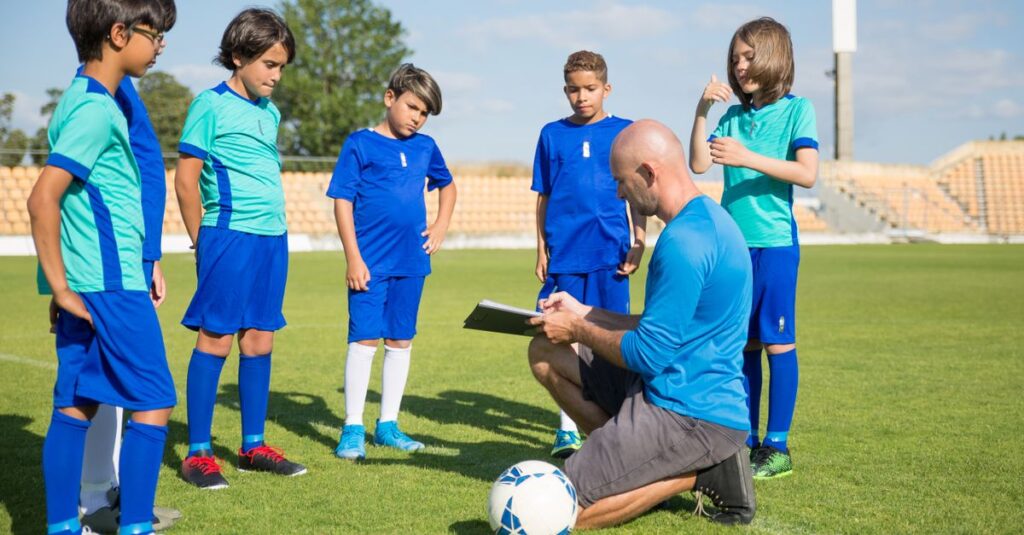
Coach guiding young soccer players on a lush green field under a clear sky.
Athlete Development
Build structured training pathways, coaching programs, player progression plans, and long-term athlete development initiatives.
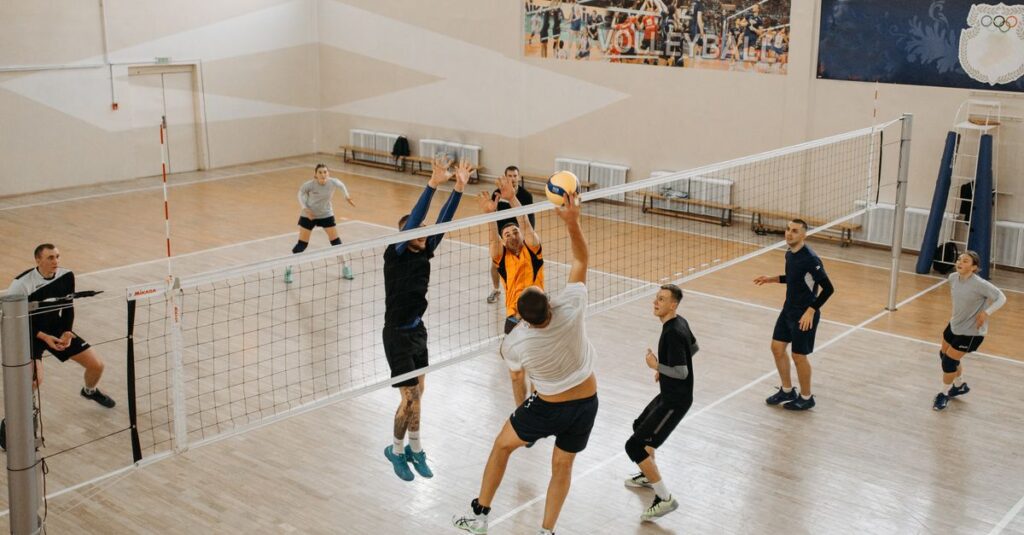
Exciting indoor volleyball game featuring diverse teams in action, jumping and playing.
Competition Management
Organize league participation, tournaments, practice schedules, team logistics, and seasonal competition planning.
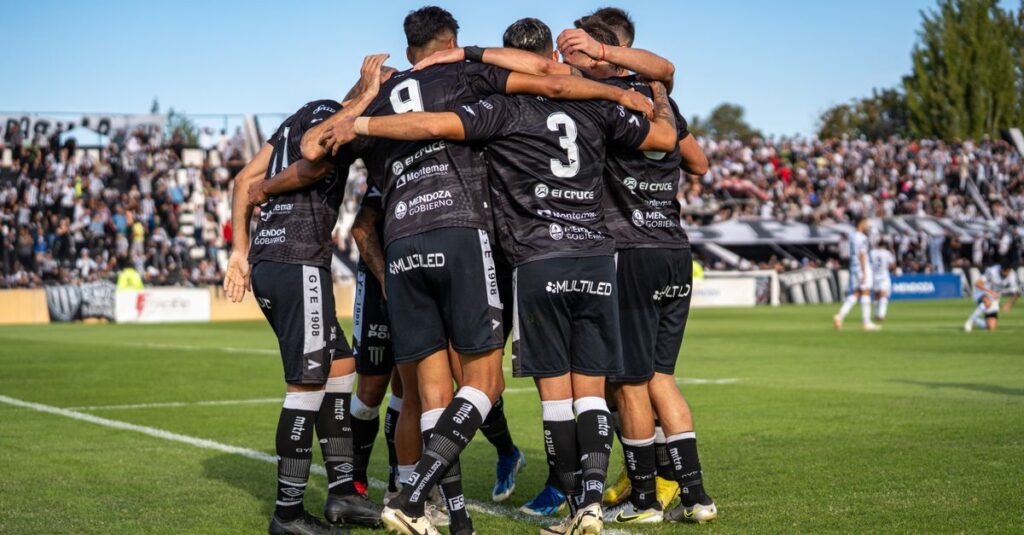
Soccer players celebrating a goal during a match in a vibrant stadium atmosphere.
Member Engagement
Improve member satisfaction through communication, events, volunteer opportunities, family involvement, and club community initiatives.

Sports Club Objectives

Successful sports clubs create positive environments that support athlete development, member engagement, and long-term organizational sustainability. Well-managed clubs provide consistent coaching, quality facilities, and meaningful participation opportunities.

  • Increase club membership
  • Support athlete development
  • Improve member retention
  • Strengthen coaching quality
  • Expand competition opportunities
  • Promote sustainable club growth

Operational Priorities

Sports clubs coordinate coaching, competitions, memberships, facilities, volunteers, and financial management while creating positive experiences for athletes and families throughout each season.

  • Membership management
  • Athlete development
  • Coach coordination
  • Competition planning
  • Facility scheduling
  • Member communication

Explore Sports Club Resources

Access club management guides, membership planning resources, athlete development tools, volunteer management references, competition planning resources, coaching best practices, and sports club operational guides.

F.A.Q.

A sports club is an organization that provides structured training, competitions, coaching, and recreational opportunities for athletes of different ages and skill levels through organized membership programs.

Clubs typically manage memberships through registration systems, renewal processes, communication platforms, fee collection, participant records, and membership policies.

Athlete development helps participants improve skills, progress through training pathways, remain engaged, and achieve long-term success while supporting the club’s reputation and program quality.

Competition planning includes scheduling practices, registering teams, coordinating league participation, managing travel, preparing facilities, and communicating with athletes and families.


Coaches provide technical instruction, athlete development, safety supervision, performance evaluation, motivation, and leadership while promoting sportsmanship and positive team culture.

Retention improves through quality coaching, organized programs, clear communication, enjoyable experiences, family engagement, and opportunities for athlete progression.

Clubs should manage budgets, membership fees, sponsorships, fundraising activities, equipment replacement, facility costs, and long-term financial sustainability.

Volunteers assist with coaching, events, fundraising, administration, competitions, equipment management, transportation, and community activities.

Success can be measured through membership growth, athlete retention, competition participation, financial performance, member satisfaction, and athlete development outcomes.

Long-term growth depends on strong leadership, quality coaching, sustainable finances, member engagement, effective communication, and continuous program improvement.

Related Articles

Hello world!

Welcome to WordPress. This is your first post. Edit or delete it, then start writing!...