Explore University Athletics Resources
Access university athletics guides, campus recreation planning resources, facility management references, equipment purchasing guides, student wellness resources, and operational best practices.
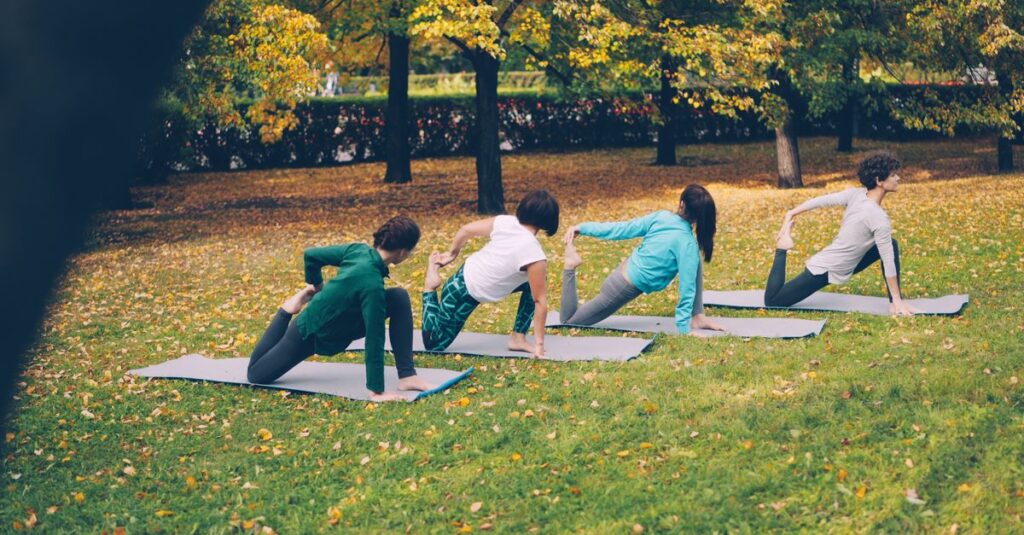
University athletic departments balance competitive athletics, student recreation, facility management, and campus wellness. Effective planning supports safe facilities, student participation, operational efficiency, and long-term institutional success.
University athletic departments coordinate facilities, recreation services, athletic programs, budgeting, staffing, equipment management, and student engagement throughout the academic year.
University athletic departments oversee varsity sports, athletic facilities, equipment procurement, coaching staff, event operations, student-athlete support, compliance, budgeting, and long-term athletic program development. Many departments also coordinate with campus recreation and facility management teams.
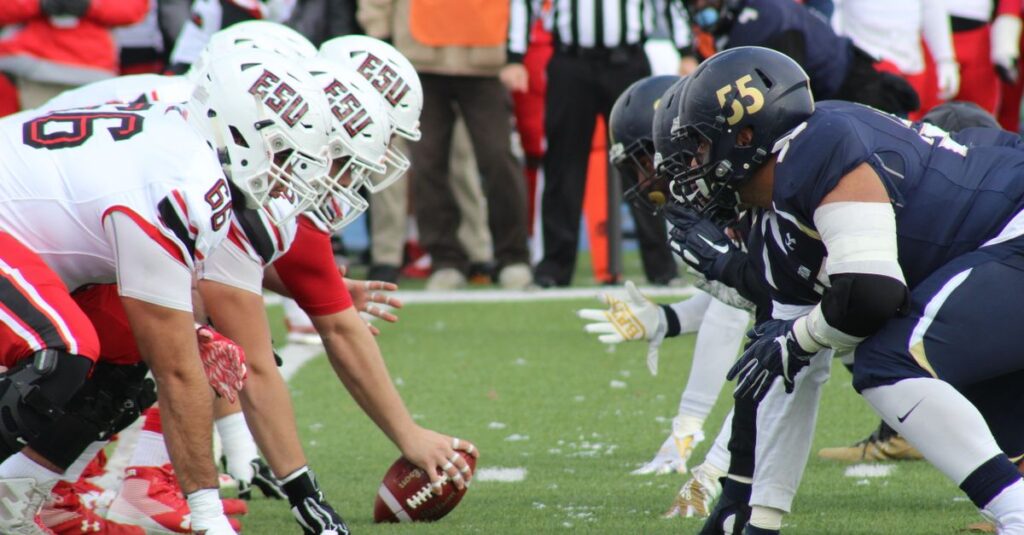
Varsity athletics focus on competitive intercollegiate sports with organized teams, coaches, and competitions. Campus recreation serves the broader student population through fitness centers, intramural sports, club sports, wellness programs, and recreational activities that encourage lifelong participation.
University athletic departments may manage:
Facility responsibilities vary depending on institutional structure.
Equipment planning typically begins with assessing program needs, available budgets, equipment condition, safety requirements, facility capacity, and expected participant usage. Universities often prioritize durable equipment that supports multiple athletic programs while meeting institutional purchasing policies.
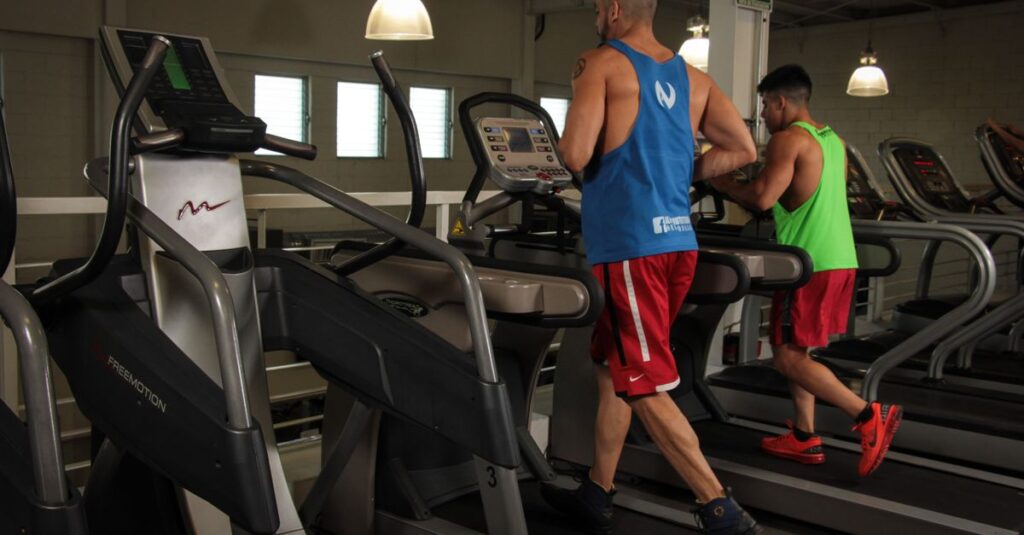
Campus recreation encourages physical activity, stress reduction, social interaction, and healthy lifestyles. Recreation programs support student well-being by providing accessible fitness opportunities, organized activities, and inclusive recreational environments that complement academic success.
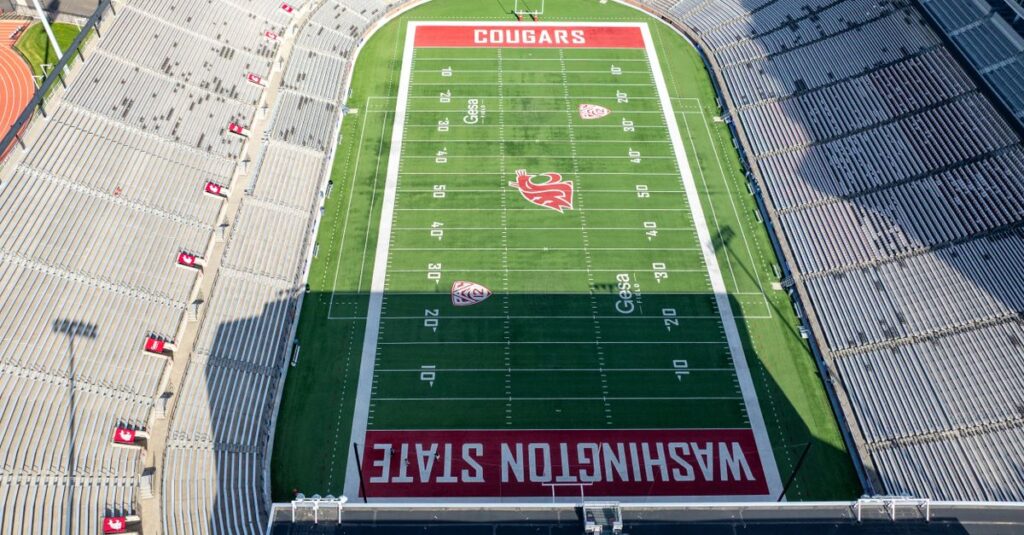
Universities can improve facility utilization by coordinating academic schedules, varsity athletics, club sports, intramural programs, community events, and recreational activities. Reservation systems, preventive maintenance, and flexible programming help maximize available facility space.
Athletic facilities should implement regular equipment inspections, preventive maintenance schedules, emergency action plans, accessibility standards, staff training, and risk management procedures. Safety practices also include maintaining playing surfaces, lighting systems, and participant supervision.
Student-athlete development extends beyond athletic performance. Universities often provide coaching, strength and conditioning, sports medicine, nutrition education, academic support, leadership development, mental wellness resources, and career preparation to promote long-term success.
Performance may be evaluated using a combination of participation rates, facility utilization, athlete development, student satisfaction, competitive performance, operational efficiency, budget management, and long-term program sustainability. Evaluation methods vary by institutional goals.
Long-term success depends on strategic leadership, sustainable funding, effective facility management, qualified coaching staff, student engagement, equipment lifecycle planning, safety standards, and continuous investment in athletic and recreational programs that support both competitive and campus-wide participation.